
Guest — sign in to save your enquiries.
My account
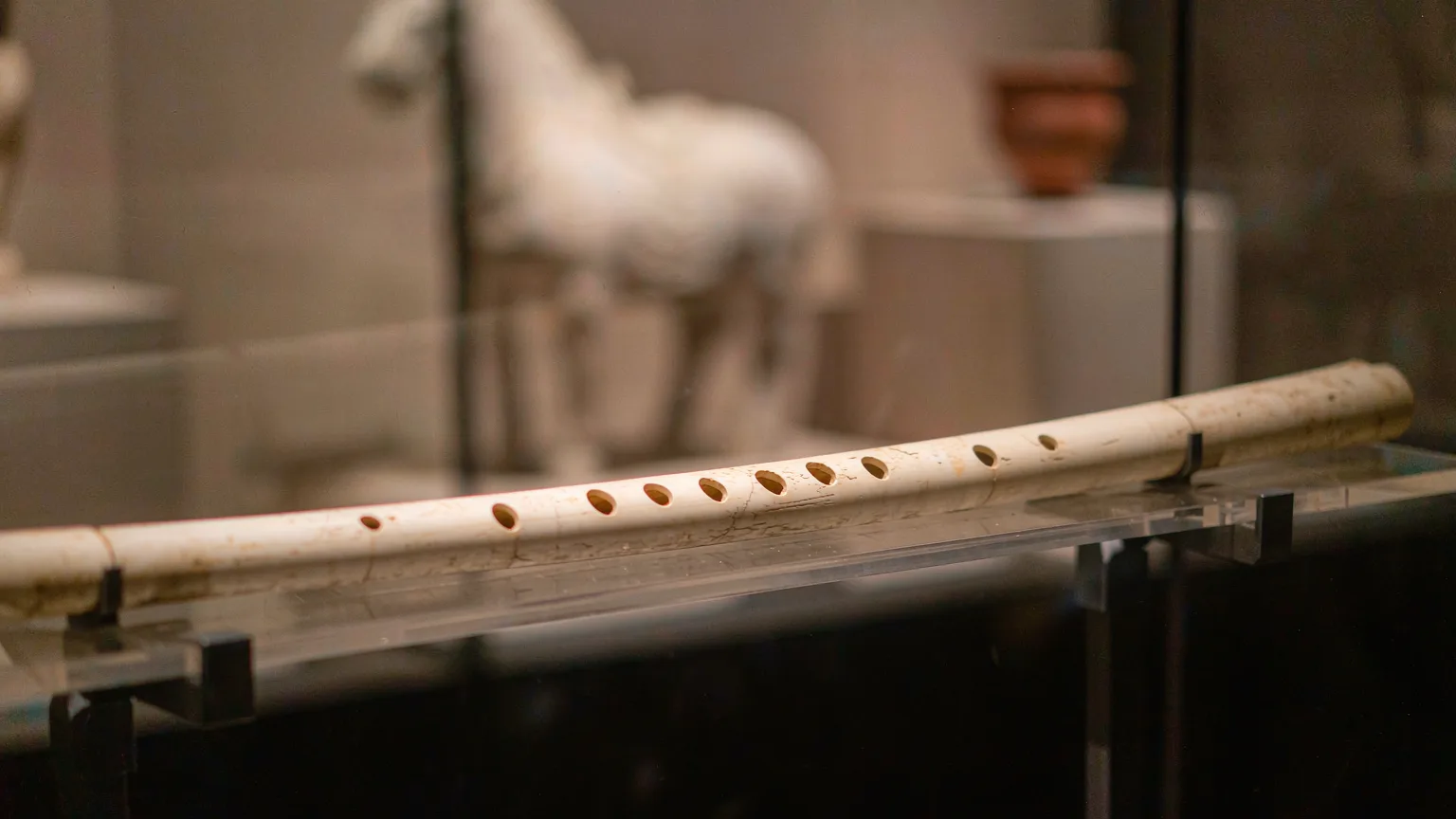
The Henan Museum in Zhengzhou houses one of China's most important collections of artifacts from the Central Plains, the cradle of Chinese civilization. Its treasures include the 8,000-year-old Jiahu bone flute, the oldest playable musical instrument ever found. With our private guide, you'll navigate the vast galleries effortlessly and hear the stories behind each masterpiece.
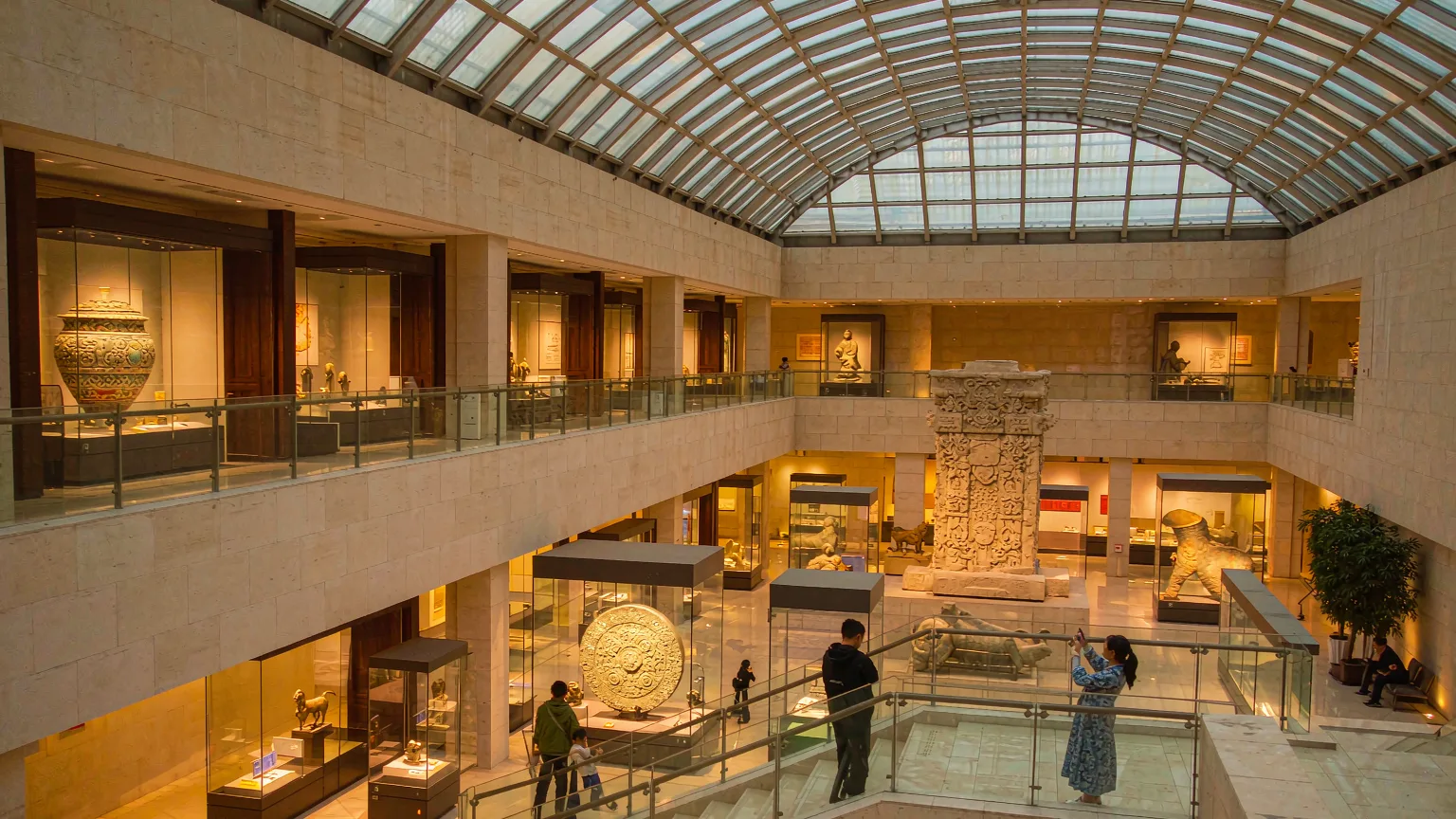
The Henan Museum, founded in 1927, is one of China's oldest and most prestigious museums. Its current building, opened in 1998 in Zhengzhou's Jinshui District, features a distinctive pyramid-shaped design inspired by ancient observatories. The museum's collection spans over 130,000 artifacts, with a particular focus on the Central Plains region, which served as the political and cultural heart of China for millennia. Highlights include the Jiahu bone flutes, the oldest known playable musical instruments, and the bronze vessels of the Shang and Zhou dynasties, which showcase the region's advanced metallurgy.
The museum is organized chronologically, taking visitors from the Neolithic period through the Song dynasty and beyond. Key exhibits include the Oracle Bone inscriptions, the earliest form of Chinese writing, and the exquisite jade artifacts from the Liangzhu culture. The museum also houses a significant collection of Buddhist sculptures and ceramics. As a national first-class museum, it offers audio guides and English signage, but our guided tour ensures you don't miss the hidden gems and understand the deep historical context.
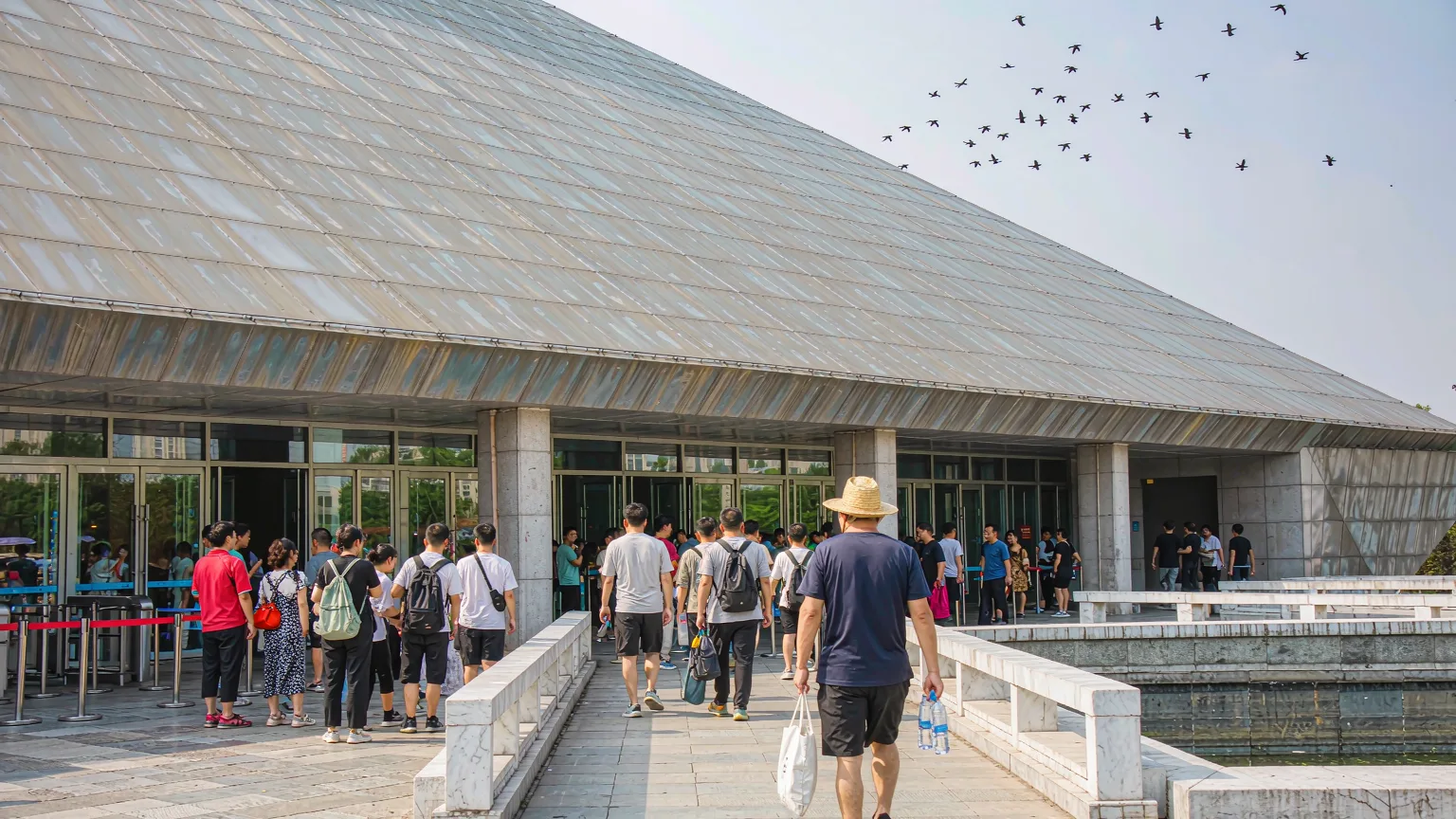
The Henan Museum is located at 8 Nongye Road, Jinshui District, Zhengzhou. The easiest way to reach it is by metro: take Line 2 to Guanhutun Station and walk about 10 minutes, or Line 1 to Yanzhuang Station and transfer to a bus. Taxis from Zhengzhou East Railway Station take about 20 minutes. We recommend combining your visit with a trip to the nearby Zhengzhou Museum or the Erqi Memorial Tower for a full day of exploration.
Admission is free, but you must reserve a time slot in advance via the museum's official WeChat account or website. Bring your passport for verification. Opening hours are 9:00–17:00 (last entry 16:00), closed on Mondays. Special exhibitions may charge ¥20–¥50.
Payment for special exhibitions or audio guides can be made via WeChat Pay or Alipay, which accept foreign cards if linked. Cash is rarely accepted, so ensure your mobile payment is set up before visiting.
The best time to visit is on a weekday morning, ideally right at opening at 9:00, to avoid crowds and have the galleries to yourself. Spring (April–May) and autumn (September–October) offer pleasant weather for walking around the area. Avoid Chinese public holidays, when the museum is extremely crowded.
Yes, general admission is free, but you must reserve a time slot online in advance. Special exhibitions may have a small fee.
Plan for at least 2–3 hours to see the main highlights. If you're a history enthusiast, you could easily spend half a day.
Major exhibits have English labels, but they are brief. Our guided tour provides detailed explanations and stories behind the artifacts.
The museum accepts WeChat Pay and Alipay, which can link to foreign cards. Cash is not widely accepted, so set up mobile payment beforehand.
Tell us your dates, group size and preferences — a dedicated consultant will reach out within 24 hours.