
Guest — sign in to save your enquiries.
My account
Hefang Street is Hangzhou's best-preserved historical pedestrian street, a lively corridor of old-brand shops, street food and traditional crafts just south of West Lake. It's where Southern Song dynasty street life meets modern Hangzhou, and our private guide helps you navigate the crowds, taste the right snacks and uncover the stories behind the facades.
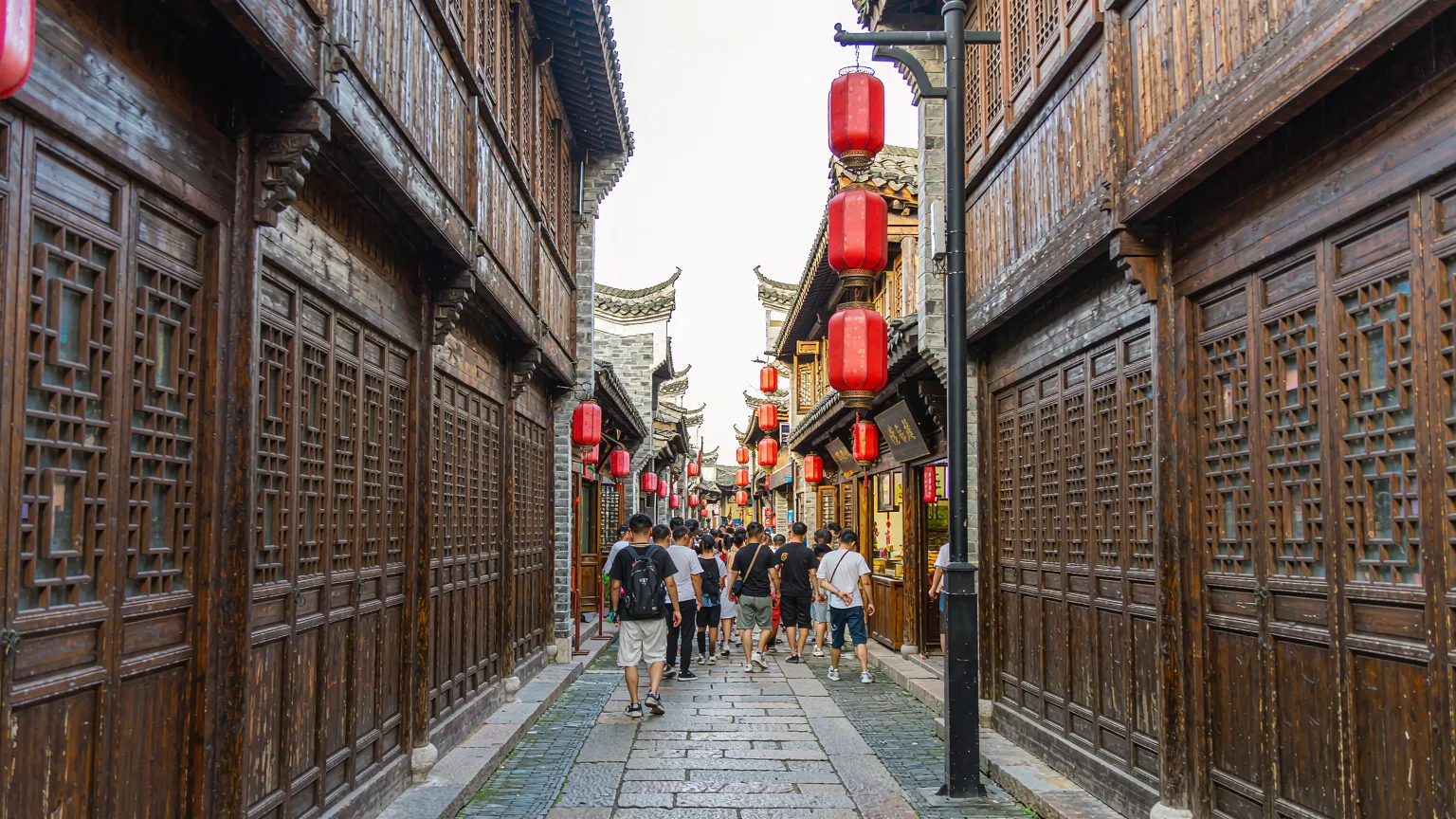
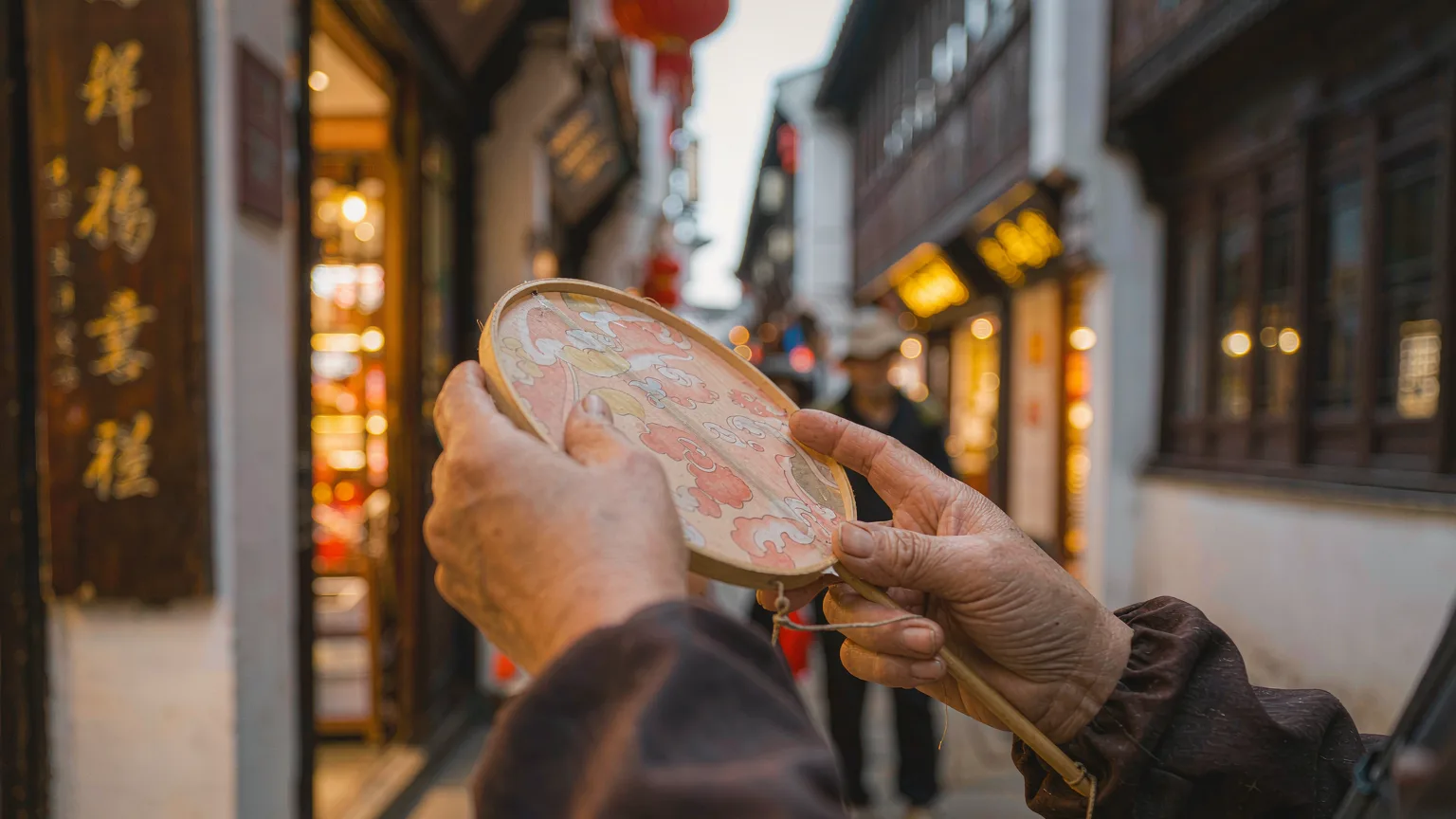
Hefang Street (河坊街) traces its origins to the Southern Song dynasty (1127–1279), when Hangzhou served as the imperial capital and this area was a bustling commercial hub near the imperial palace. The street was restored in the early 2000s to revive its Qing-era appearance, with wooden shopfronts, stone-paved lanes and hanging lanterns. Today it's a living museum of Hangzhou's traditional commerce, where century-old brands like Hu Qing Yu Tang pharmacy and Wang Xing Ji fan shop still operate alongside modern souvenir stalls.
The street runs east-west for about 1,800 meters, from Wushan Square to Zhongshan Middle Road, and is part of the larger Qinghefang historical district. It's a 4A-rated attraction and a favorite for both locals and visitors seeking snacks, silk, tea and handicrafts. While commercial, it retains an authentic charm, especially in the side alleys where you'll find quieter teahouses and artisan workshops. Our guides can point out the genuine heritage stores versus tourist traps, ensuring you experience the real Hangzhou.
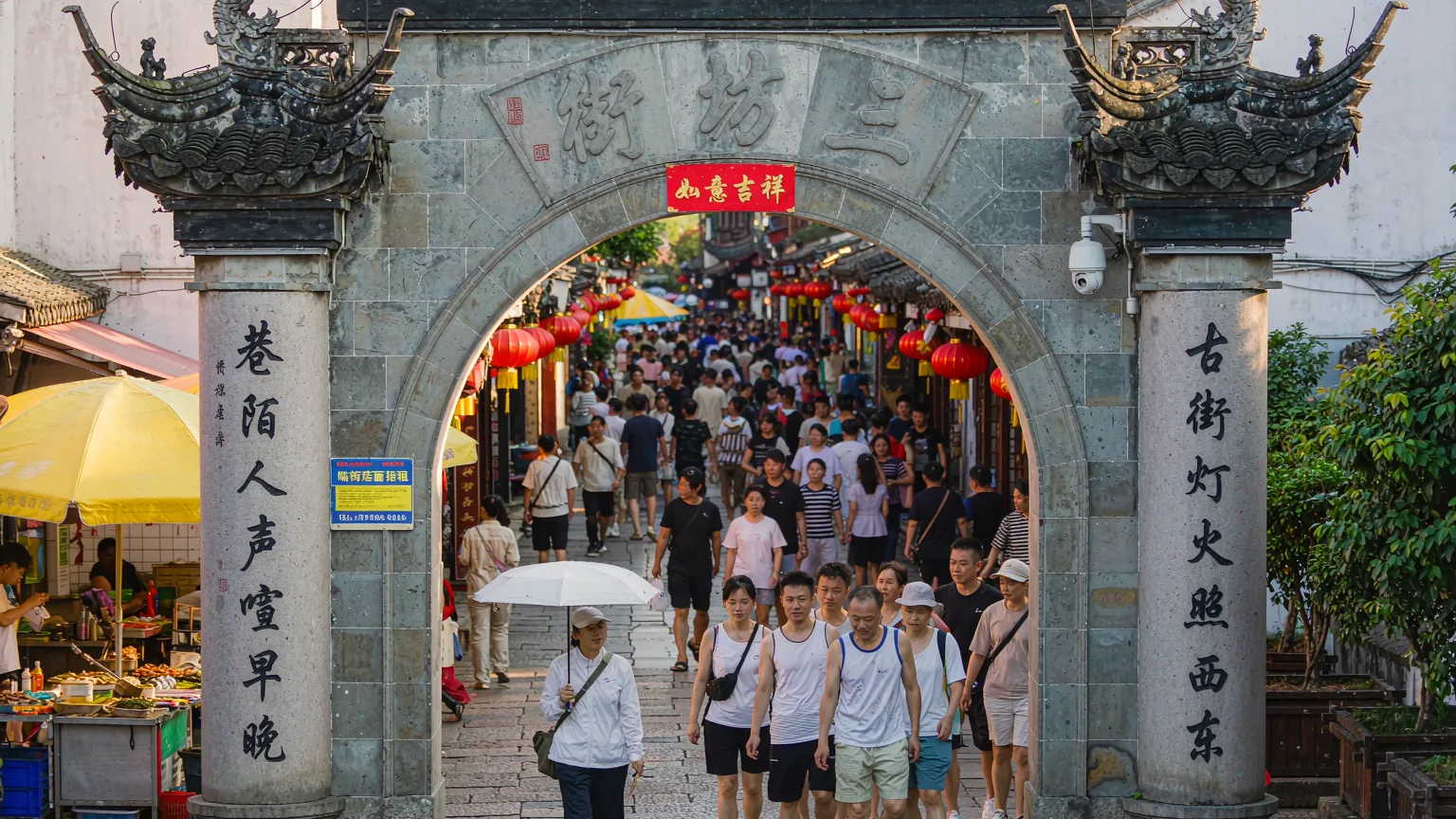
Hefang Street is easily reached by metro: take Line 1 to Ding'an Road Station (Exit C) and walk 10 minutes, or Line 7 to Chengzhan Station and walk 15 minutes. Taxis from West Lake cost about ¥15–20. It's a perfect 2–3 hour stop after visiting West Lake or Leifeng Pagoda, and our guide can arrange a seamless transfer and walking tour.
Free entry; individual attractions like Hu Qing Yu Tang may charge ¥10–20. Open daily, shops typically 9:00–22:00. No booking needed, but for guided tours, book in advance. Most vendors accept WeChat Pay and Alipay linked to foreign cards; some smaller stalls prefer cash, so carry small notes.
Visit in spring (March–May) or autumn (September–November) for mild weather. Weekday mornings are quieter, while evenings (after 18:00) offer vibrant lantern-lit scenes. Avoid Chinese public holidays when crowds are intense.
Yes, especially if you want a taste of traditional Hangzhou culture, snacks and shopping in one place. It's touristy but charming, and our guide can help you focus on the authentic spots.
Most visitors spend 1.5–2 hours strolling and snacking. With a guide and stops at key shops like Hu Qing Yu Tang, allow 2–3 hours.
Don't miss beggar's chicken, stinky tofu, dragon's beard candy, and freshly made glutinous rice cakes. Our guides know the cleanest and most delicious stalls.
Major shops accept WeChat Pay and Alipay linked to foreign cards, but small vendors often require cash. Carry ¥100–200 in small bills for convenience.
Tell us your dates, group size and preferences — a dedicated consultant will reach out within 24 hours.