
Guest — sign in to save your enquiries.
My account
Gulangyu is a car-free island of colonial villas, subtropical gardens and piano music drifting from old courtyards, just a short ferry ride from Xiamen. As a UNESCO World Heritage site, it packs a century of treaty-port history into 1.9 square kilometres. Our private guide handles the ferry bookings and leads you through the quiet lanes, so you experience the island's charm without the crowds.
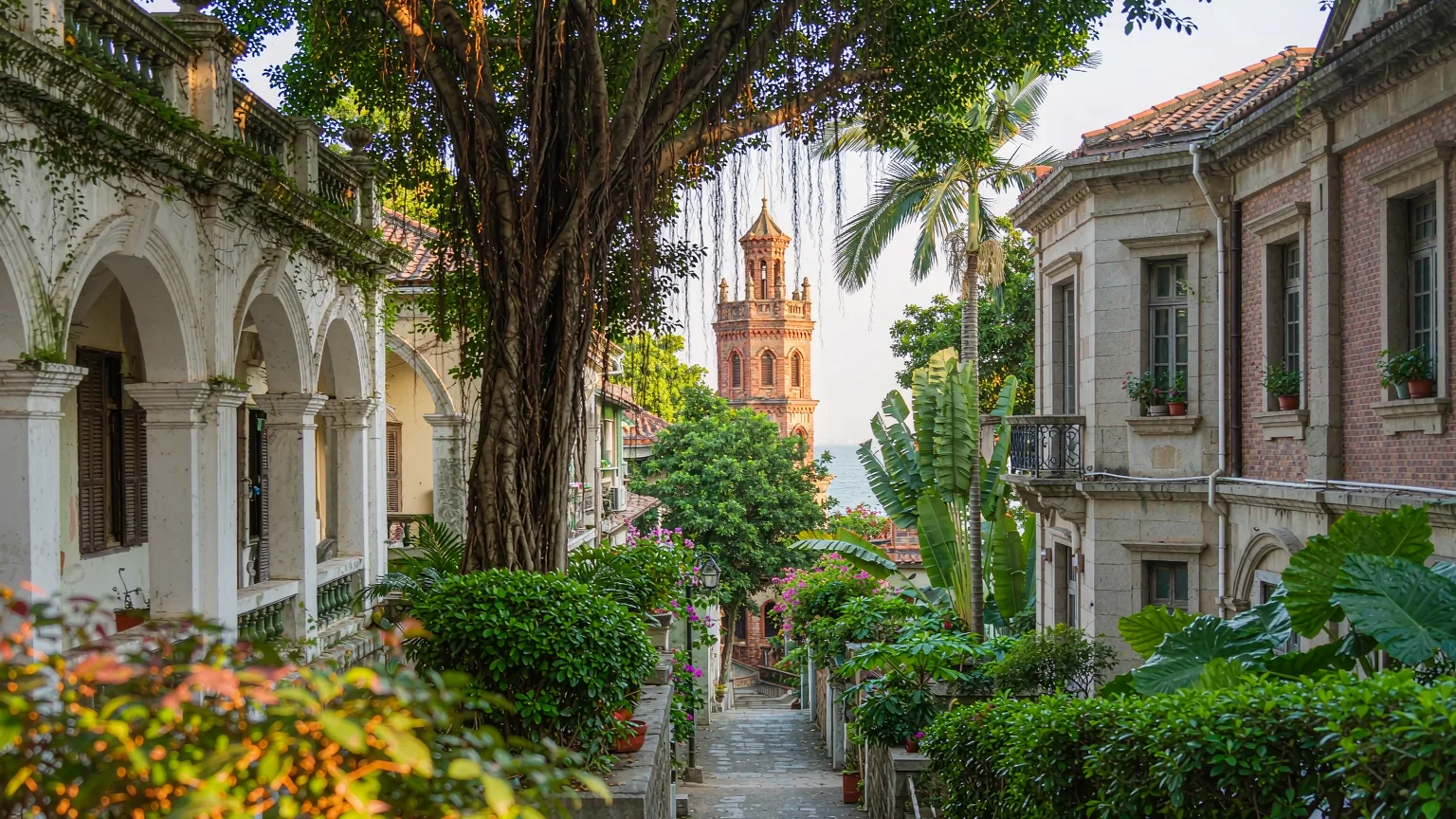
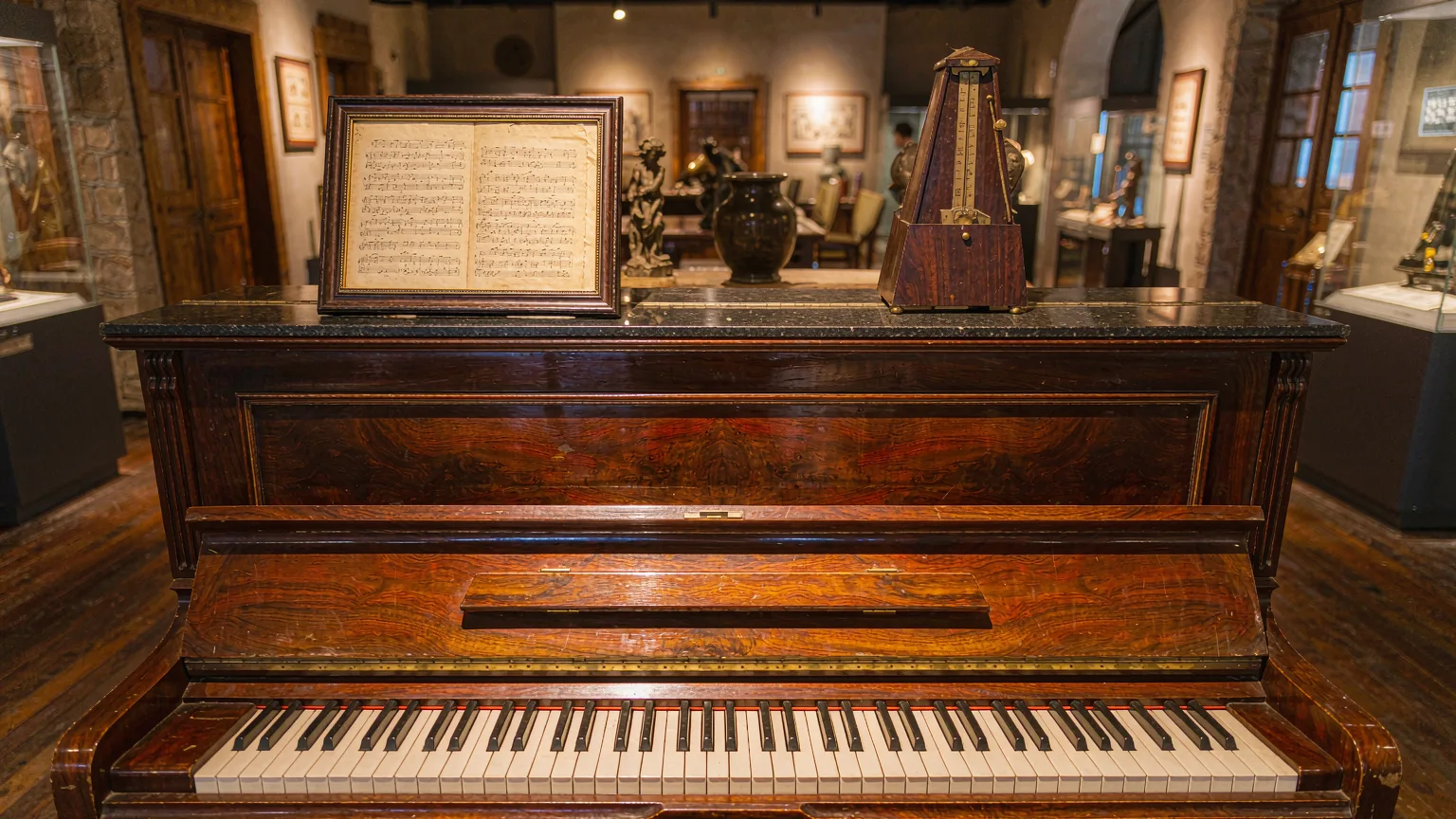
Gulangyu rose to prominence in 1903 when it became an international settlement, attracting consulates, missionaries and merchants who built the villas, churches and schools that still define its skyline. The island's unique blend of Chinese and Western architecture earned it a place on the UNESCO World Heritage list in 2017. It was also a haven for musicians, giving rise to its nickname 'Island of Pianos'—at its peak, there were over 500 pianos for a population of about 20,000. Today, the island is a pedestrian-only sanctuary, with electric carts the only vehicles.
A visit to Gulangyu is a step back in time. The car-free streets wind past crumbling mansions, vibrant bougainvillea and ancient banyan trees. Key sights include Sunlight Rock, the island's highest point with panoramic views; the Shuzhuang Garden, a classical Chinese garden with a piano museum; and the organ museum in the Bagua Tower. The island is also famous for its beaches and seafood. Because the island is small, it's best explored on foot, and our guides know the shortcuts to avoid the main crowds.
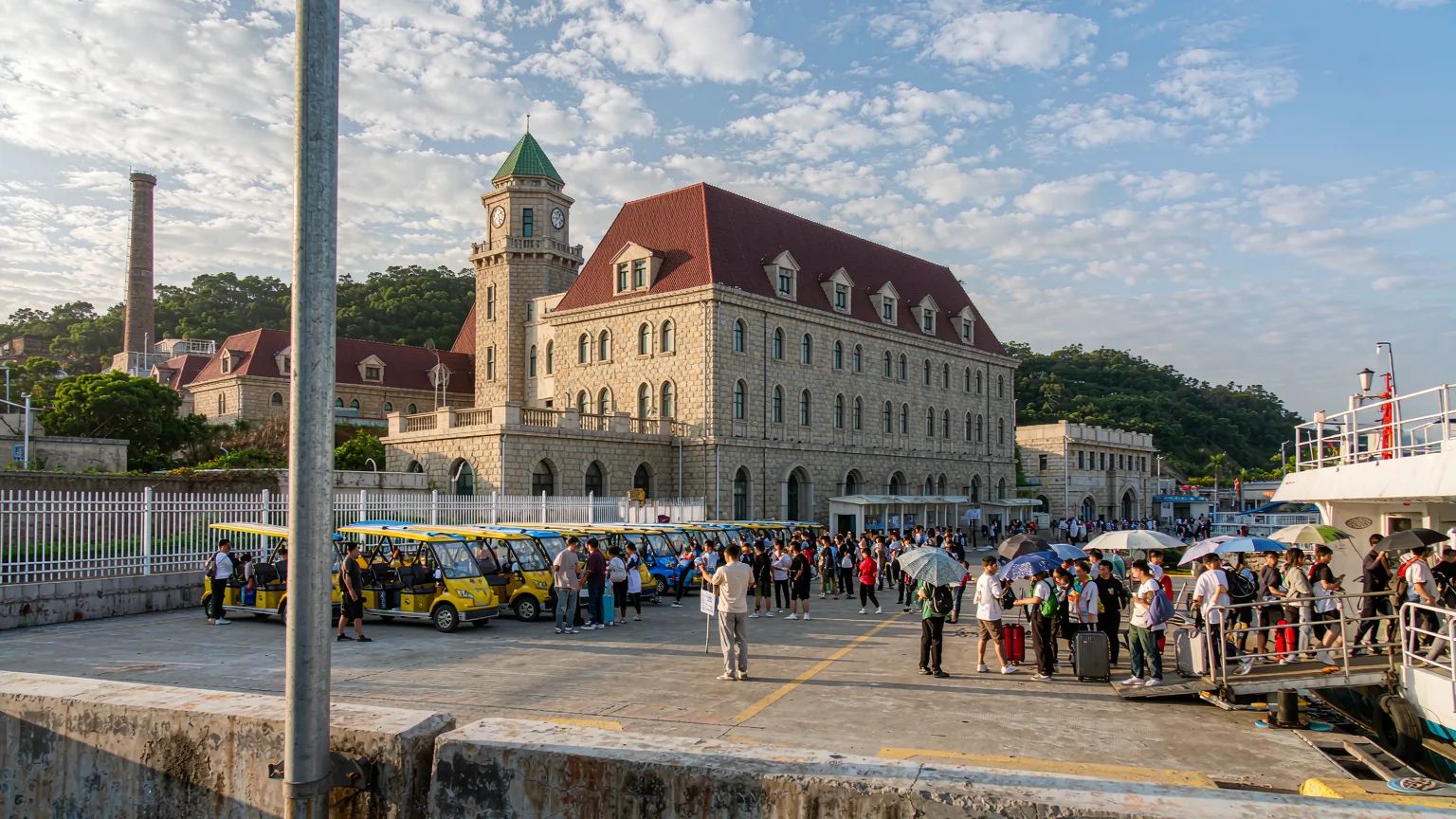
From Xiamen, take a ferry to Gulangyu from either the Xiamen International Cruise Center (for tourists) or the Lujiang Ferry Terminal (for locals). The ferry ride takes about 20 minutes. Tickets must be booked in advance, especially during peak season, and our guide can secure them for you. Once on the island, everything is walkable, but be prepared for some hills. We often combine Gulangyu with a visit to Xiamen's Nanputuo Temple or the university area, making a full day of it.
Ferry tickets cost ¥35–¥50 round trip, depending on the route and time. The island itself is free to enter, but attractions like Sunlight Rock (¥50) and Shuzhuang Garden (¥30) have separate fees. Ferries run from 7:10 AM to 5:30 PM (later in summer). Book online via WeChat or through our team; foreign credit cards are accepted on some platforms, but WeChat Pay or Alipay is more reliable.
The best time to visit is during the shoulder seasons of spring (March–May) and autumn (September–November), when the weather is mild and comfortable. Avoid the Chinese holidays, especially National Day (October 1–7) and Lunar New Year, when the island is extremely crowded. Early morning or late afternoon offers softer light and fewer people, making it ideal for photography and a more peaceful experience.
While you can explore independently, a guide helps navigate the ferry booking, avoid crowds, and uncover the stories behind the architecture. We provide context that brings the island's history to life.
A half-day is enough to see the main sights, but a full day allows you to relax on the beach and explore the quieter lanes. We recommend at least 4–5 hours.
There are a few ATMs, but they can be unreliable. It's best to bring enough cash or ensure your WeChat Pay or Alipay is set up before arriving.
Yes, but be aware of the hills and steps. Electric carts are available for those with mobility issues, and our guides can plan a route that minimizes walking.
Tell us your dates, group size and preferences — a dedicated consultant will reach out within 24 hours.