
Guest — sign in to save your enquiries.
My account
Perched on Mingfeng Mountain in northeastern Kunming, the Golden Temple Scenic Area is home to a 17th-century hall cast almost entirely from bronze — one of China's largest surviving copper buildings. Surrounded by ancient camellia groves and Taoist shrines, it offers a serene escape from the city. With our private guide, you'll uncover the temple's fascinating history and enjoy a seamless visit.
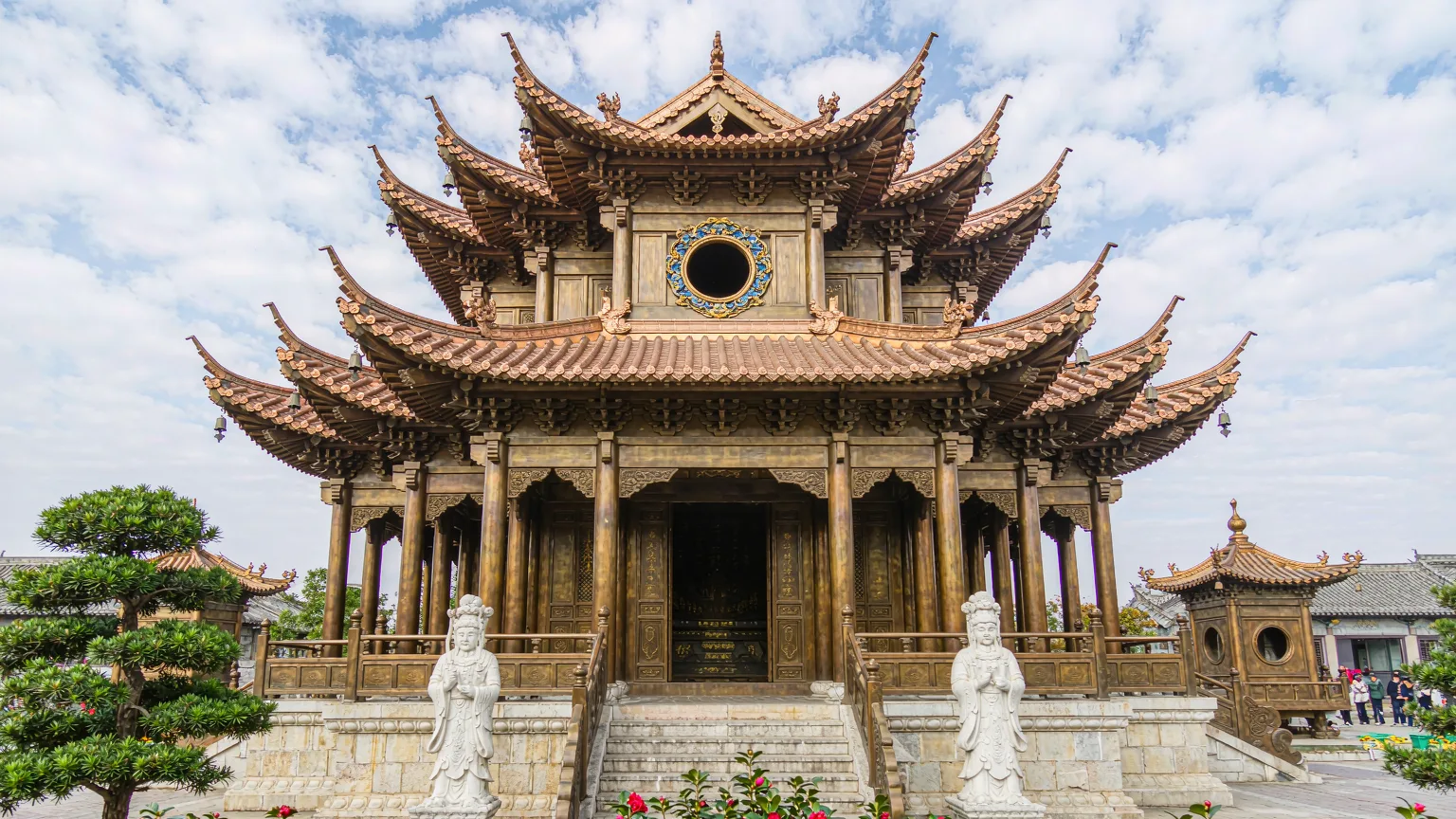
The Golden Temple, or Jindian, was originally built in 1602 during the Ming Dynasty by military governor Chen Yongbin, who believed the mountain's feng shui would bring prosperity. The current structure dates to 1671, when Wu Sangui, the infamous general who later rebelled against the Qing, rebuilt it in bronze. Weighing over 200 tons, the hall is a masterpiece of Yunnan's copper craftsmanship, with intricate carvings and a gilded interior that glows in sunlight. It is dedicated to Zhenwu, the Taoist deity of the north.
The surrounding scenic area, designated a 4A-rated site, spreads across Mingfeng Mountain and includes several Taoist temples, pavilions, and a renowned camellia garden. The camellias bloom in late winter, adding splashes of red and pink to the evergreen landscape. For foreign travellers, the site offers a peaceful half-day trip from Kunming, with well-maintained paths and English signage. Our guides can explain the Taoist symbolism and point out details often missed by casual visitors.
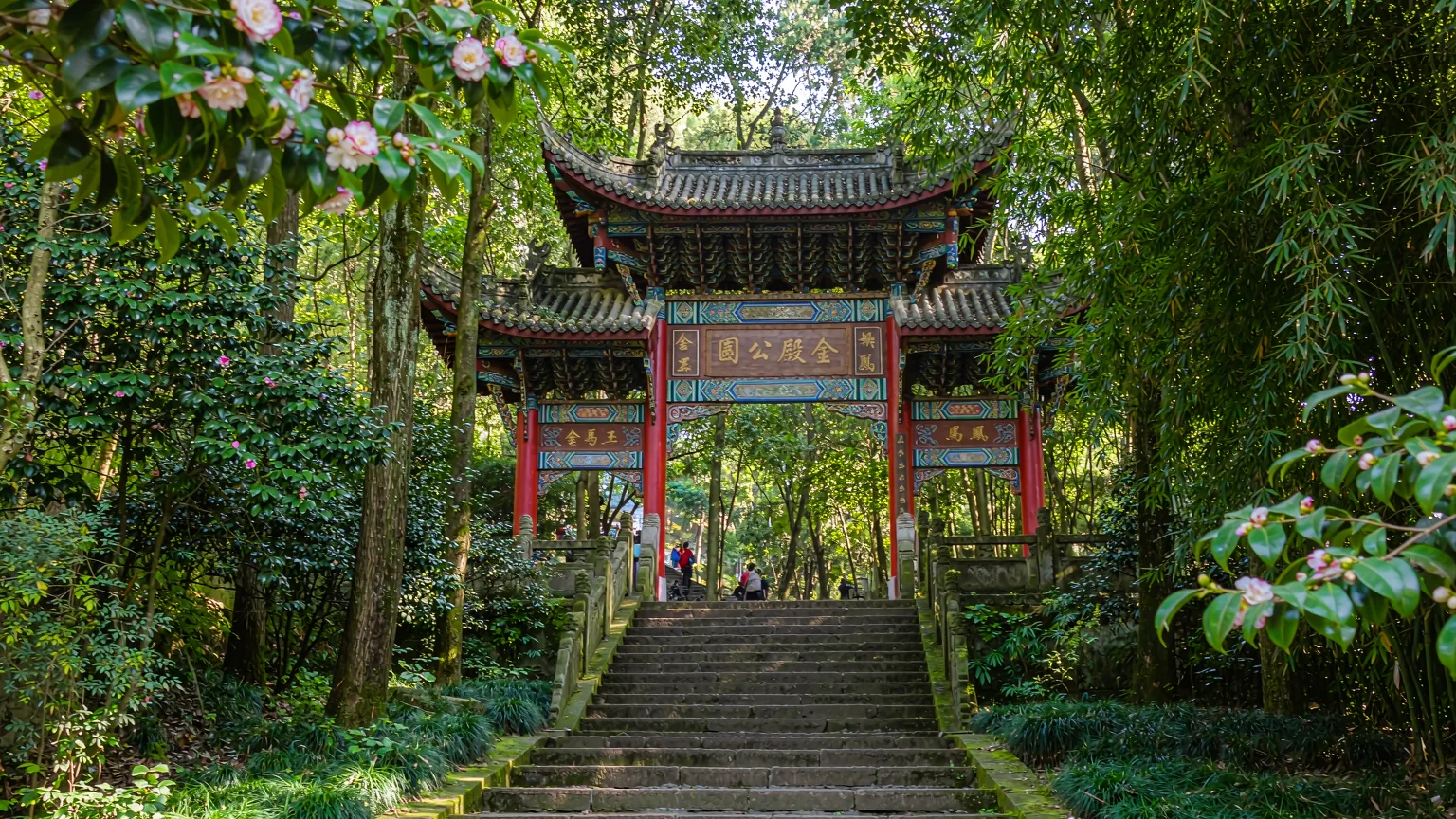
The Golden Temple Scenic Area is about 7 km northeast of downtown Kunming. The easiest way is by taxi or ride-hailing app (around ¥30-40 from the city center, 20-30 minutes). Alternatively, take Metro Line 2 to Chuanjin Road Station, then transfer to bus 10 or 71. Our private tours include hotel pickup and drop-off, so you can relax and enjoy the ride. We recommend combining it with a visit to the nearby World Horticultural Expo Garden for a full day out.
Admission is ¥30 per person (children under 1.2m free). Opening hours are 7:30-18:00 (last entry 17:30). Tickets can be purchased at the gate, but we recommend booking through our guide to skip any queue. Foreign credit cards are not accepted at the ticket office; bring cash or use WeChat Pay/Alipay linked to an international card.
The best time to visit is during the camellia blooming season, from late January to early March, when the gardens are at their most colorful. Weekday mornings are ideal to avoid crowds and enjoy cooler temperatures. Autumn (October-November) also offers pleasant weather and fewer visitors. Avoid Chinese public holidays like Golden Week (October 1-7) when the site can get busy.
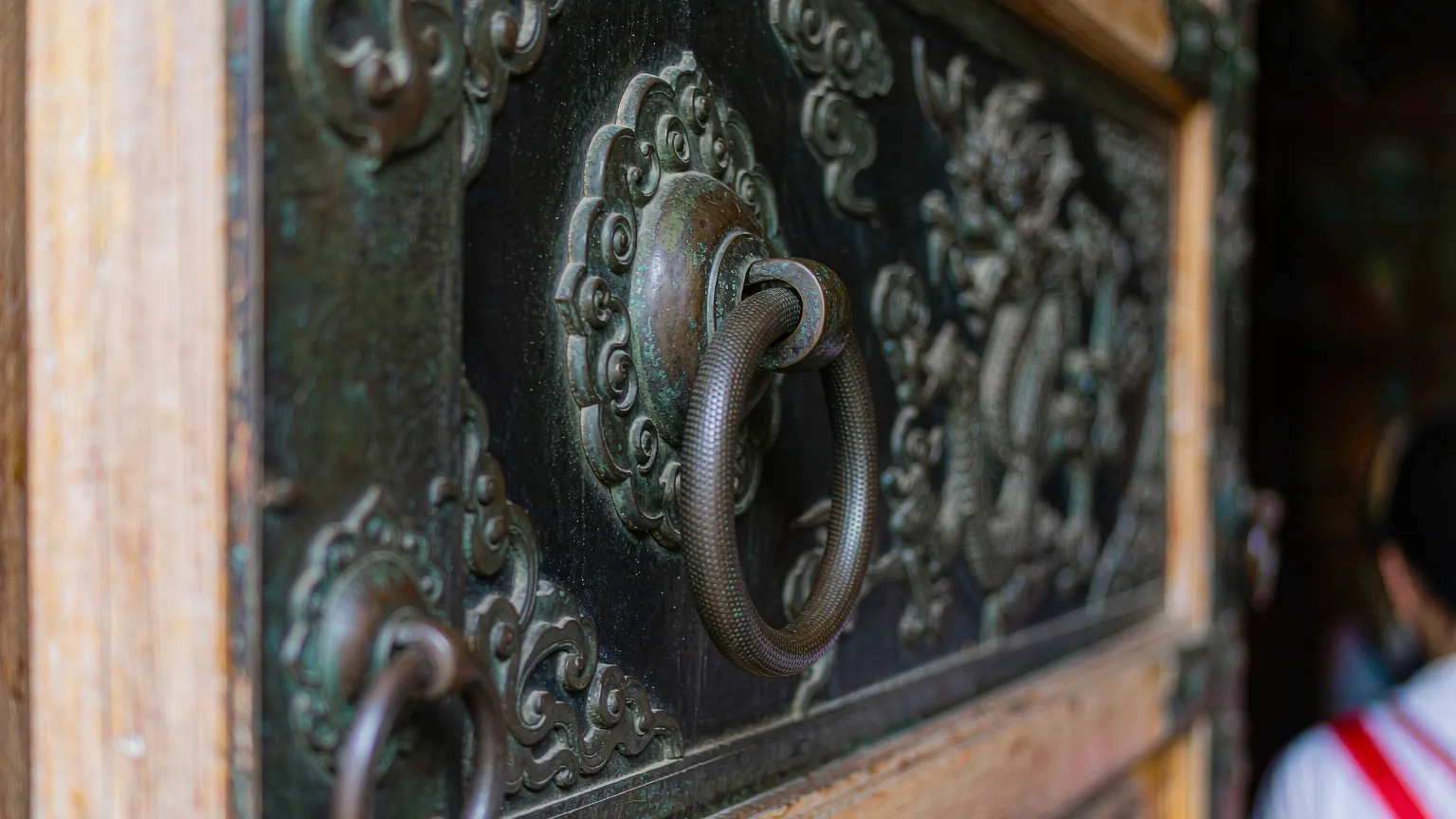
No, it's made of bronze, but the interior was originally gilded. The name 'Golden Temple' comes from the golden shine of the bronze when polished. It's one of China's largest bronze buildings.
Most visitors spend 1.5 to 2 hours exploring the main hall and gardens. With a guide, you can comfortably cover the highlights in 2 hours, or linger longer for tea and photos.
The site has paved paths but includes steep sections and stairs. Wheelchair access is limited. Our guides can suggest a route that minimizes climbing if needed.
Yes, it pairs well with the World Horticultural Expo Garden or Yuantong Temple. A private car makes combining them easy, as they are within 15-20 minutes of each other.
Tell us your dates, group size and preferences — a dedicated consultant will reach out within 24 hours.