
Guest — sign in to save your enquiries.
My account
East Lake is one of China's largest urban lakes, a 33-square-kilometre expanse of water, wooded hills and lotus-filled inlets on the edge of Wuhan. It is not one lake but a chain of scenic areas — Moshan, Tingtao, Luoyan — each with its own character. With our private guide and driver, you skip the sprawl and see the best of it in a single unhurried day.
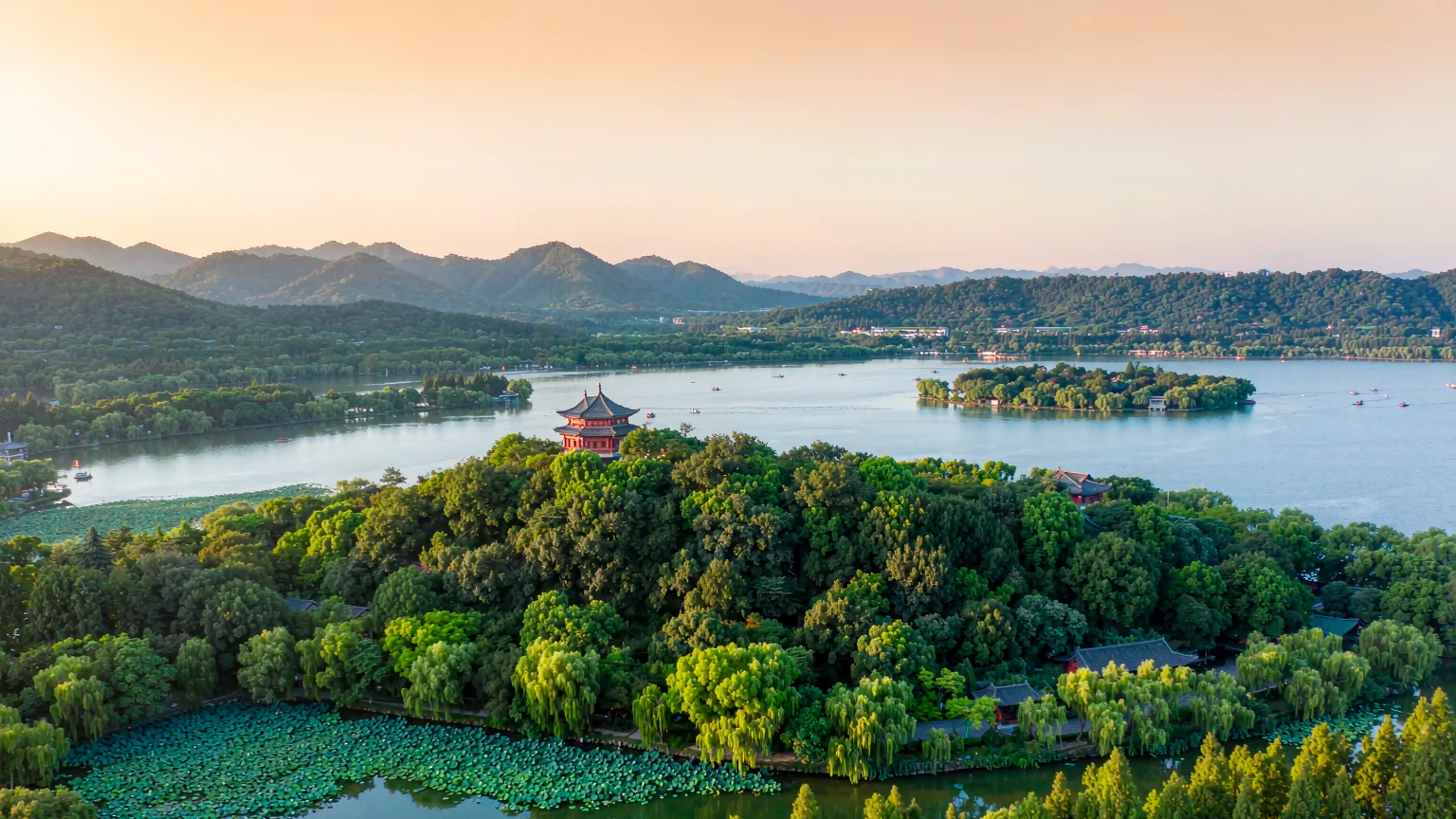
East Lake (Donghu) began as a natural depression fed by the Yangtze's tributaries and was gradually shaped into a public scenic area from the 1950s onward. It is now a national 5A attraction and the green lung of Wuhan, covering roughly 33 square kilometres of water within a wider 88-square-kilometre scenic zone. Its shoreline twists for more than 100 kilometres, which is why it feels less like a city park and more like a lakeland escape. The lake is also a cultural repository: the Moshan area holds the Chu City reconstruction and the Hubei Provincial Museum sits just to its north, anchoring the region's ancient Chu heritage.
The lake is divided into several named scenic areas. Tingtao (Listening to the Waves) is the oldest and closest to the city centre, known for its long willow-lined causeway and the memorial to poet Qu Yuan. Moshan (Millstone Hill) rises to the south with botanical gardens, a reconstructed Chu city and a cable car over the treetops. Luoyan (Falling Wild Goose) is the quietest, a wetland of reeds and birds on the eastern shore. For visitors, the practical takeaway is simple: East Lake rewards planning. Our guides know which entrance, which boat and which path match your interests and energy.
East Lake sits just east of Wuchang, about 20–30 minutes by taxi from Yellow Crane Tower or the Hubei Provincial Museum. Metro Line 8 stops at Tingtao (省博湖北日报站) and Line 4 serves the Moshan side, but the scenic areas are far apart, so a car and driver make the day far smoother. We usually pair a morning at the Hubei Provincial Museum with an afternoon on the lake, entering at Tingtao and exiting near Moshan to avoid backtracking.
The lake and greenway are free to enter; individual scenic areas charge separately. Moshan is ¥60 in peak season (¥40 low season), the Cherry Blossom Garden ¥60–¥80 in bloom, and boat crossings ¥30–¥70 depending on route. Opening hours are roughly 08:00–18:00, longer in summer. Book blossom-season slots in advance via the East Lake WeChat mini-program; foreign cards often fail there, so we can reserve on your behalf and you reimburse in cash or via Alipay.
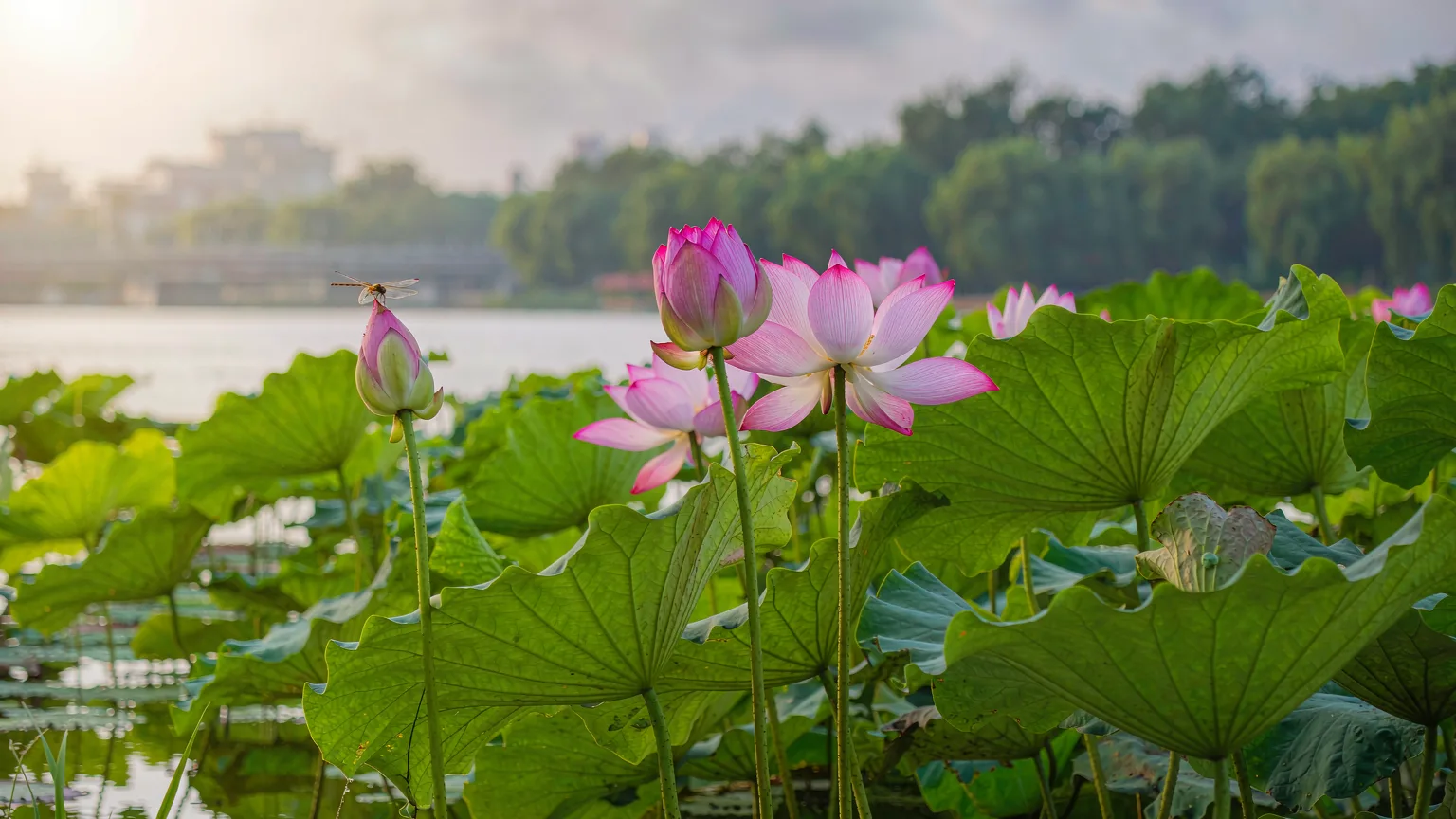
Spring (mid-March to April) for cherry blossoms and mild walking weather, or autumn (October–November) for clear skies and golden foliage. Summer is hot and humid but the lotus blooms are spectacular; winter is quiet and best for birdwatching at Luoyan. Early morning before 09:00 gives calm water, soft light and far fewer visitors, especially on weekends.
Half a day covers Tingtao and a boat ride; a full day lets you add Moshan and the Chu City. We typically plan four to six hours including lunch.
Yes, especially combined with the Hubei Provincial Museum next door. It offers a relaxed contrast to Wuhan's dense urban sights and is easy to reach by metro or taxi.
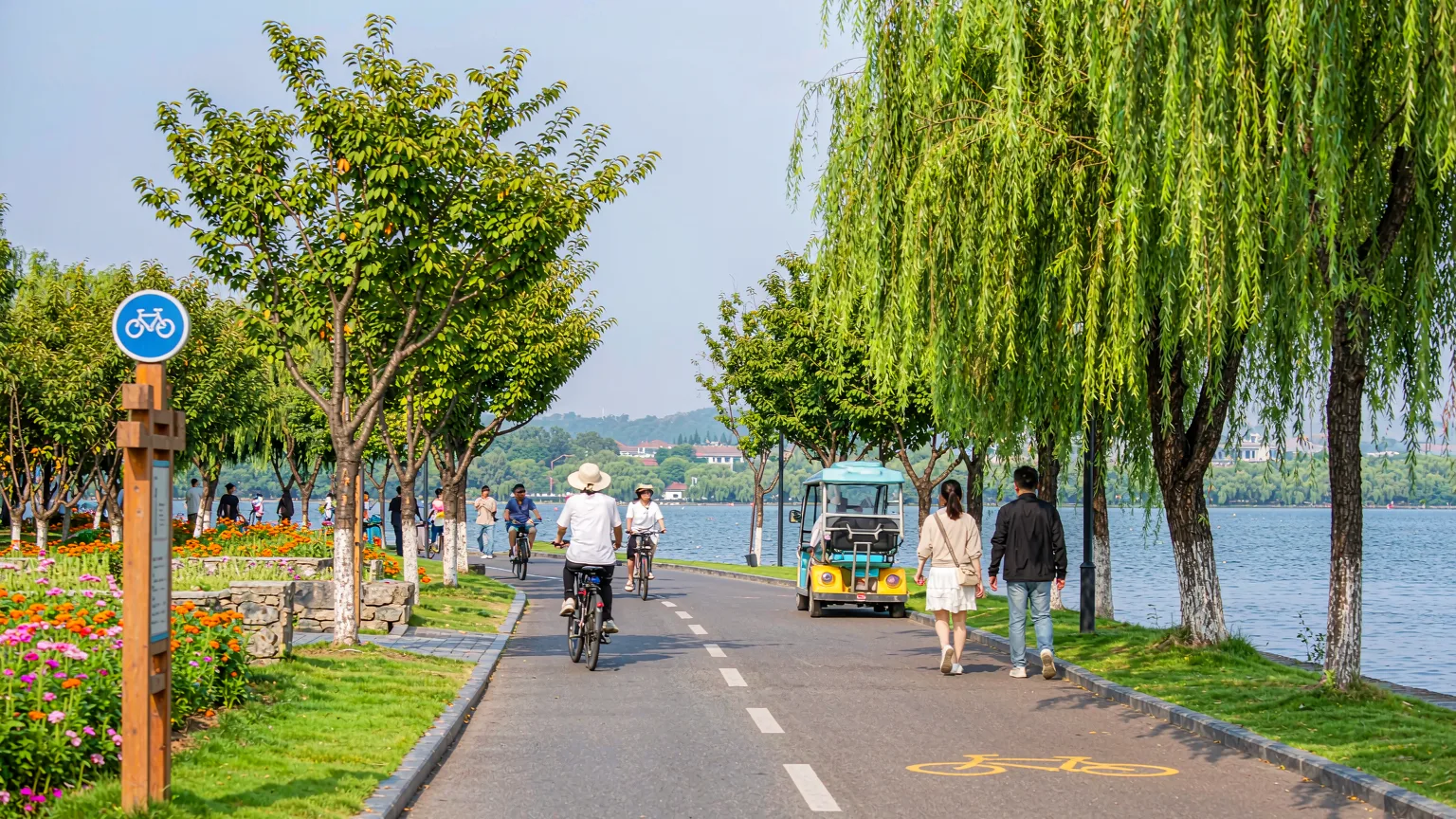
Yes. The greenway has dedicated bike lanes and rental stations. We can arrange bikes and suggest a 10–15 kilometre section that suits your pace.
Usually mid-March to early April, peaking in late March. Dates shift yearly with the weather, so check ahead or let us confirm before you book flights.
Tell us your dates, group size and preferences — a dedicated consultant will reach out within 24 hours.