
Guest — sign in to save your enquiries.
My account
Dujiangyan is the world's oldest functioning irrigation system, engineered in the 3rd century BC and still watering the Chengdu Plain today. Unlike a dam, it diverts the Min River with elegant, fish-shaped levees that have survived earthquakes and floods for over 2,200 years. With our private guide, you'll decode its genius without the guesswork, walking the same paths that have controlled water since the Warring States period.
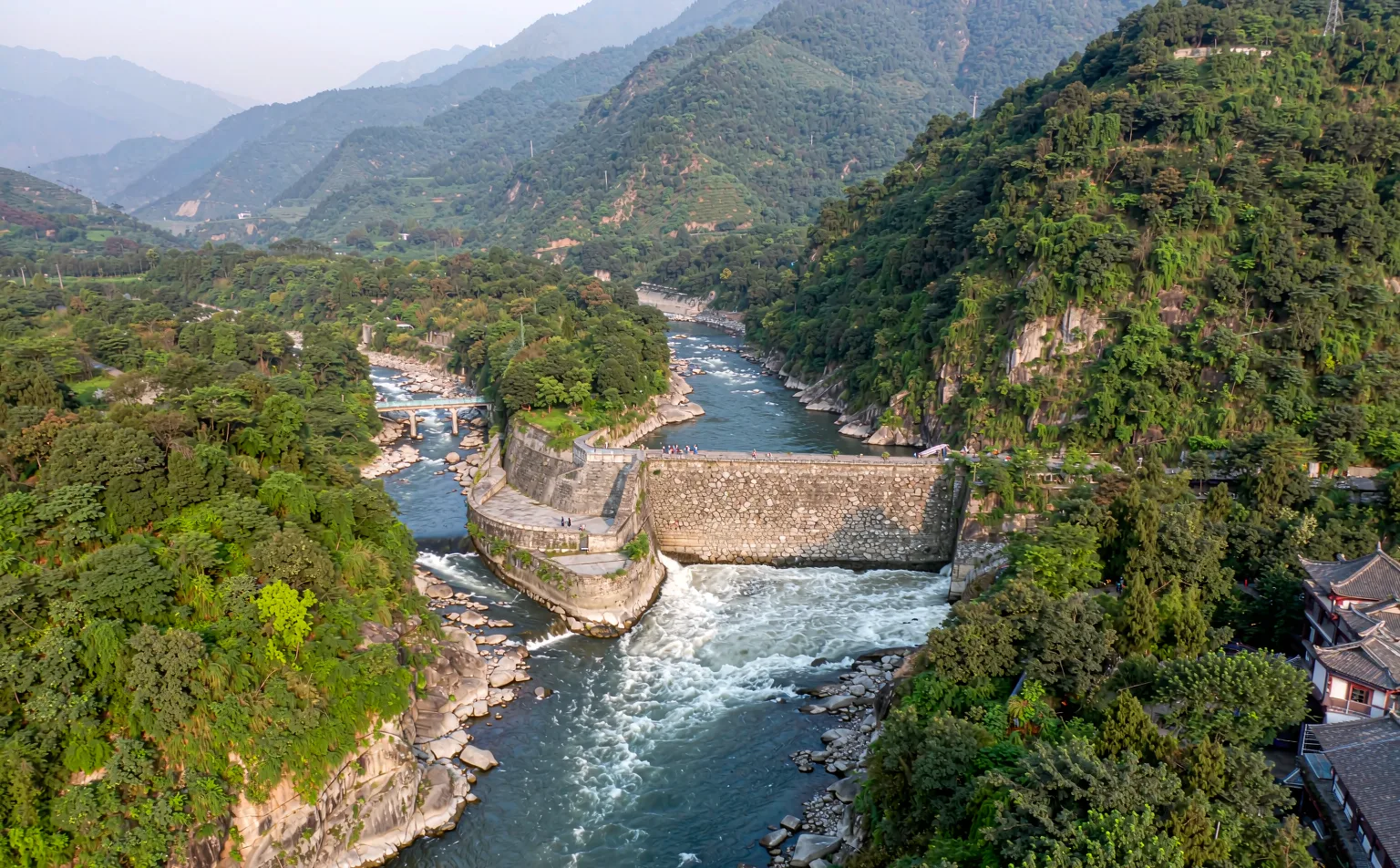
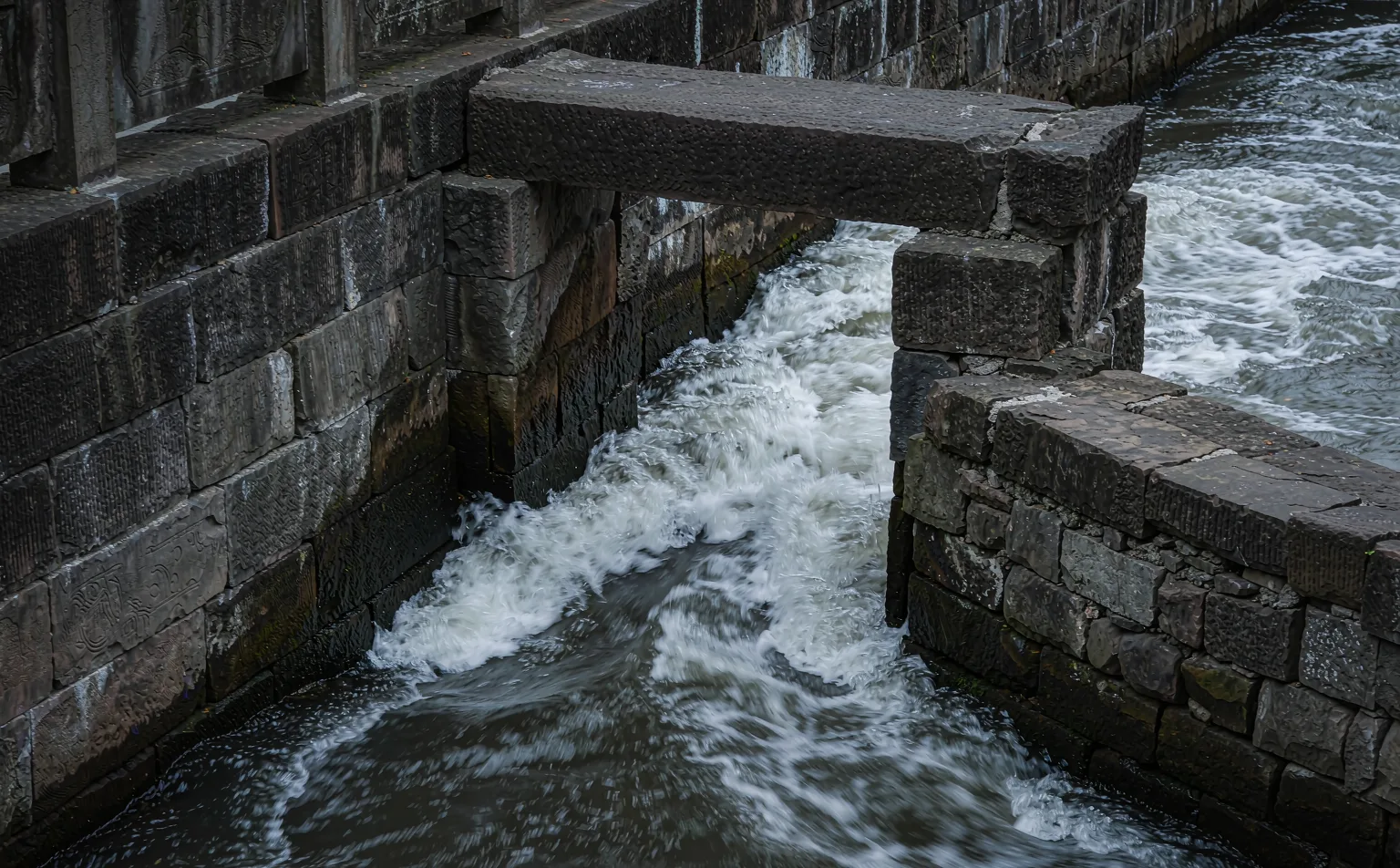
Built around 256 BC by Qin governor Li Bing and his son, Dujiangyan tamed the Min River, which had alternated between devastating floods and crippling droughts. Instead of blocking the flow, Li Bing split it with a man-made island called Fish Mouth, then used a narrow channel (Bottle-Neck) to regulate volume and a spillway (Flying Sand Weir) to release excess silt and water. This system turned the Chengdu Plain into a fertile granary and remains a masterpiece of hydraulic engineering. It was inscribed as a UNESCO World Heritage Site in 2000.
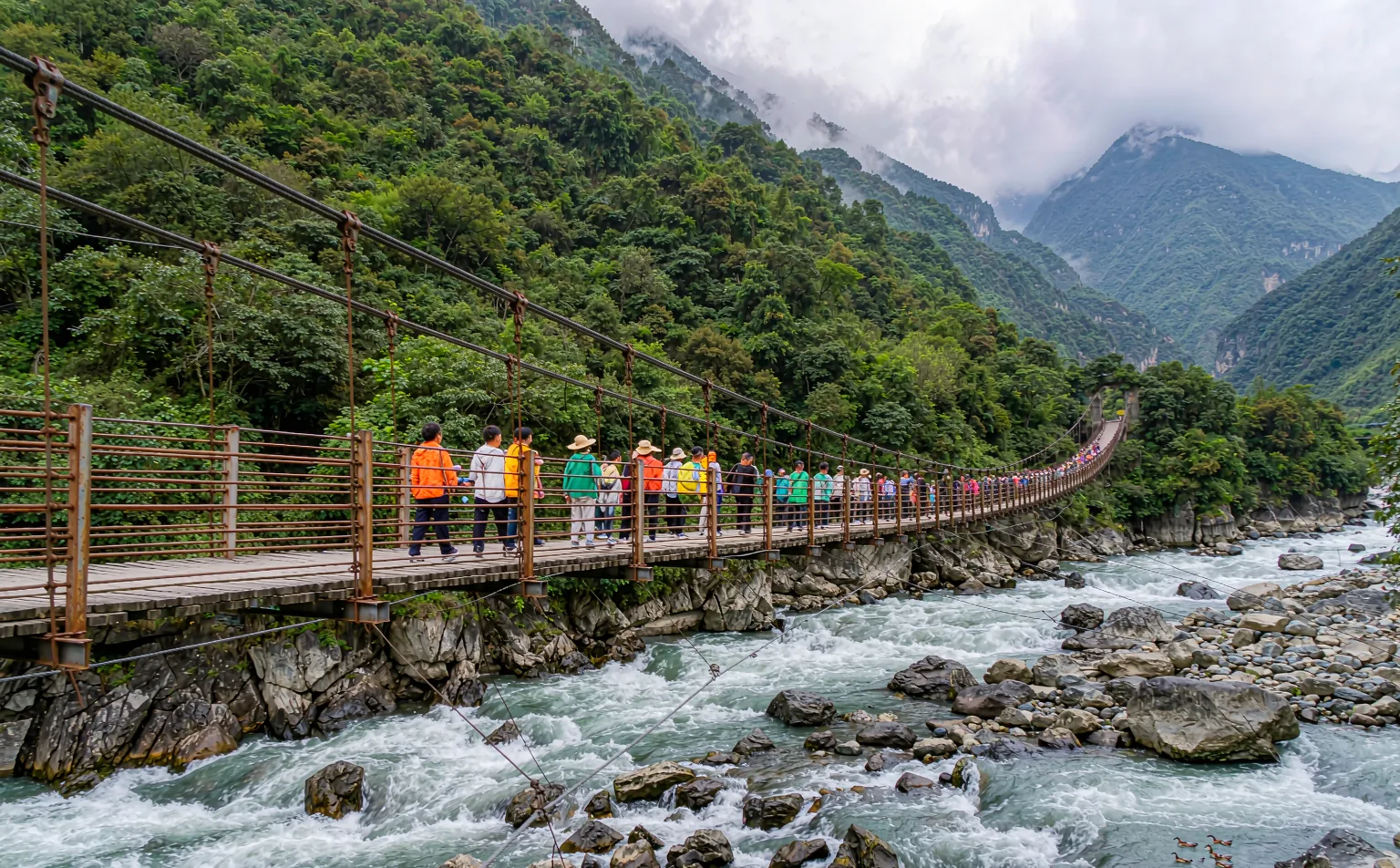
Today, the site is a sprawling park of temples, bridges, and ancient waterworks. You can walk across the Anlan Suspension Bridge, climb the Erwang Temple to see the full layout, and watch the river roar through the Bottle-Neck. The irrigation system still serves over 5,300 square kilometres of farmland. For visitors, it's a rare blend of natural scenery, ancient engineering, and living history. Our guides explain how each component works and why it has never needed a dam.
From Chengdu, take the high-speed train from Chengdu Station or Chengdu East to Dujiangyan Station (about 30 minutes, ¥15-20), then a short taxi or bus (¥10-15) to the scenic area. Alternatively, our private car transfer takes 1-1.5 hours door-to-door. It pairs perfectly with nearby Qingcheng Mountain for a full day, or as a half-day trip if you start early. We recommend leaving Chengdu by 8am to avoid tour groups.
Admission: ¥80 (peak season Mar-Nov), ¥60 (low season Dec-Feb). Opening hours: 8:00-18:00 (peak), 8:00-17:30 (low). Book via WeChat mini-program or Trip.com with your passport; foreign cards work on Trip.com, but for on-site purchases, set up WeChat Pay or Alipay linked to an international card in advance.
Visit in spring (April-May) or autumn (September-October) for mild weather and clear views. Arrive at opening time (8am) to beat the crowds and enjoy softer light for photography. Avoid Chinese public holidays, when the narrow paths become congested. Afternoon visits can be hot in summer, so morning is ideal.
Absolutely. It's a UNESCO site with living history, stunning scenery, and a fascinating story. Our guides make the engineering accessible and fun, even if you're not an engineer.
Plan for 3-4 hours to see the main highlights at a relaxed pace. With our private guide, you can cover the essentials in 2.5 hours or extend to include Qingcheng Mountain.
Ticket offices generally prefer WeChat Pay or Alipay. Link your international card to these apps before your trip, or book through Trip.com. Cash is accepted but not always convenient.
The high-speed train from Chengdu Station is fast and cheap (30 minutes, ¥15-20). A private car transfer is more flexible and takes 1-1.5 hours, ideal if combining with other sites.
Tell us your dates, group size and preferences — a dedicated consultant will reach out within 24 hours.