
Guest — sign in to save your enquiries.
My account
Daxiaodongtian is a Taoist mountain-and-sea sanctuary on Sanya's western coast, where granite boulders meet the South China Sea and a 30,000-year-old 'Longevity Pine' still grows. It's a place of pilgrimage, legend and photogenic coastline, far quieter than Sanya's beach resorts. With our private guide and driver, you'll decode the carvings, avoid the tour-bus crush and pair it seamlessly with nearby Nanshan.
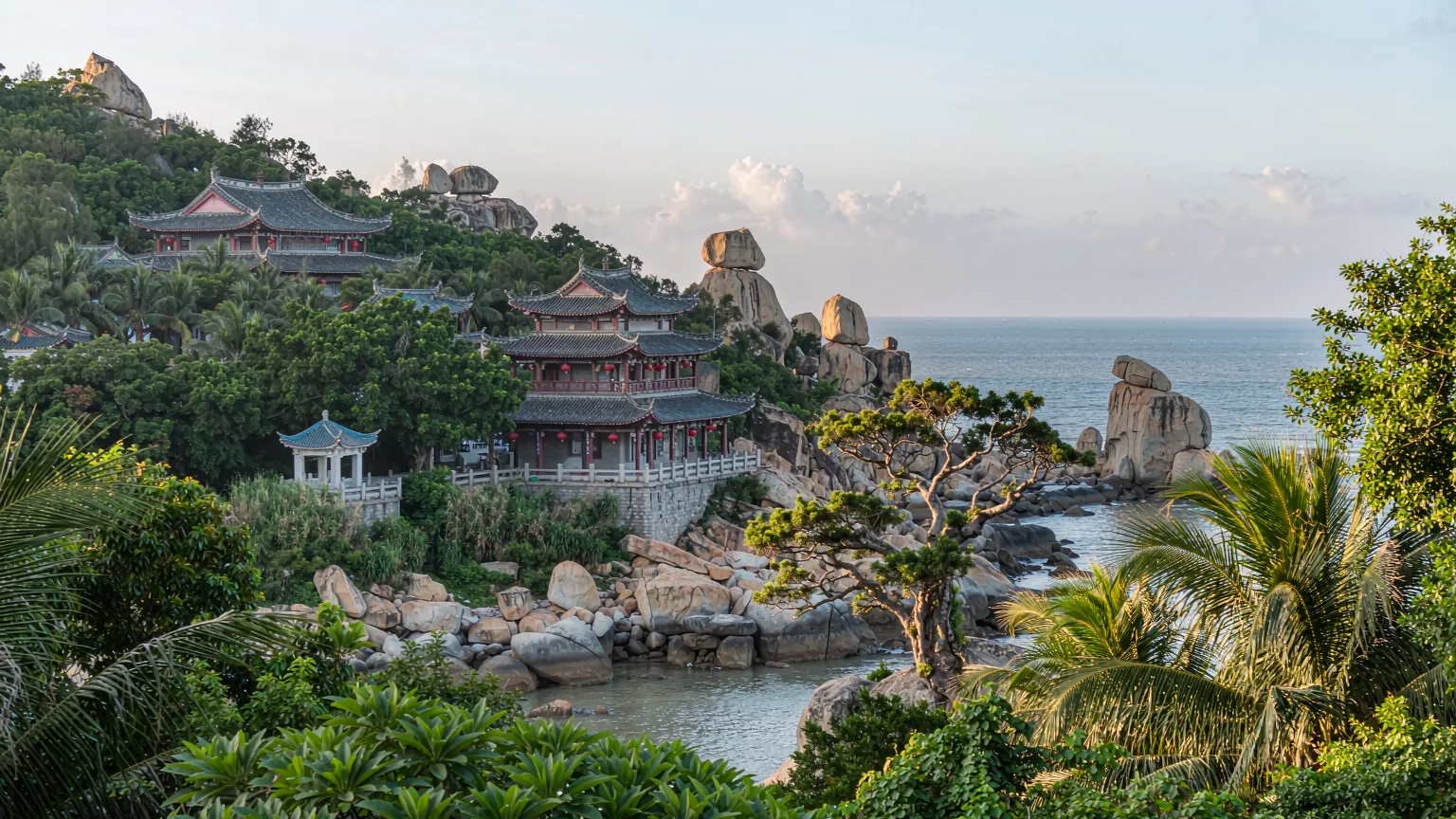
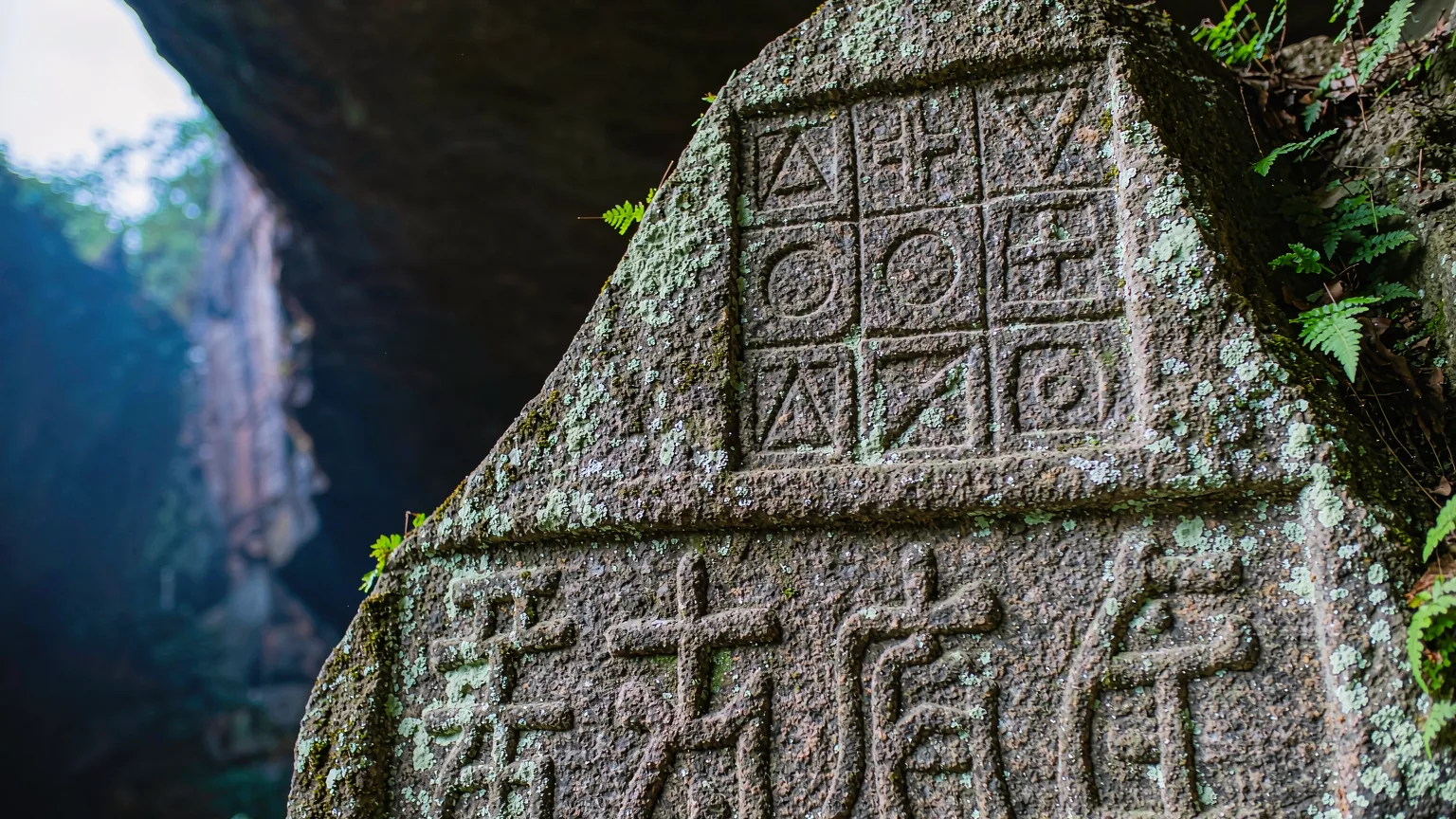
Daxiaodongtian, literally 'Big and Small Grotto Heavens', has been revered as a Taoist sacred site since the Song dynasty, when it was linked to the legendary immortals of the South. The name refers to two natural rock formations: the 'Big Grotto Heaven' sea cave and the smaller 'Small Grotto Heaven' arch further along the shore. For centuries, monks and scholars retreated here to meditate among the boulders, leaving behind cliff inscriptions that still survive. The area was developed as a scenic park in the 1990s and awarded 5A status in 2007, but its spiritual atmosphere remains surprisingly intact.
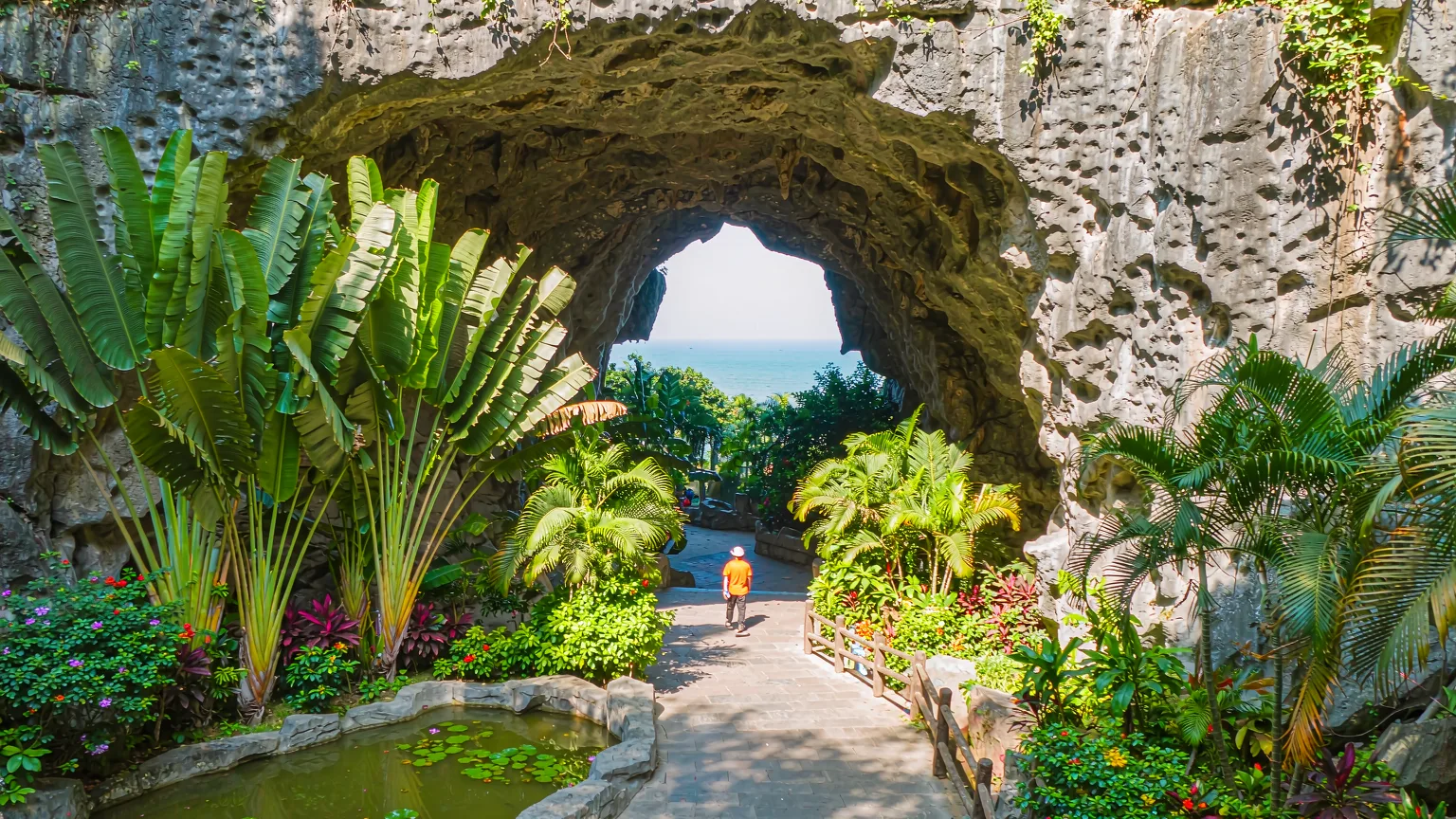
The landscape is a rare meeting of granite hills and coral coastline. Trails wind past weathered rocks carved with auspicious characters, pavilions perched on cliffs, and a small Taoist temple. The star attraction is the 'Longevity Pine' (不老松), a Dracaena draco relative estimated to be over 30,000 years old—though it's actually a slow-growing cycad-like plant that regenerates from its base. Nearby, the Nanshan Temple and the 108-meter Guanyin statue are part of the same cultural zone, making this a natural half-day extension. Our guides can explain the Taoist symbolism and help you navigate the sprawling site efficiently.
Daxiaodongtian is about 40 km west of Sanya city center, near Nanshan Temple. The easiest way is by private car or taxi (around ¥100–150 from downtown, 45–60 minutes). Public bus 25 or 29 from Sanya Railway Station also stops here, but it's slow and crowded. We recommend combining it with Nanshan in one day: our driver will pick you up from your hotel, take you to Daxiaodongtian first, then Nanshan, and return you by late afternoon. This avoids the hassle of finding taxis in a remote area.
Admission is ¥135 per person (includes shuttle bus within the park). Opening hours are 8:00–17:30, last entry at 16:30. Book online via the official WeChat account or Trip.com to skip the ticket queue; bring your passport for verification. Foreign credit cards are not accepted at the gate, but you can pay with WeChat Pay or Alipay linked to an international card, or have our guide purchase tickets on your behalf.
The best time to visit is from November to March, when Sanya's weather is dry and comfortable (20–28°C). Avoid the Chinese New Year period (late Jan–mid Feb) when domestic crowds peak. Early morning (8:00–10:00) offers cooler temperatures, softer light for photography and fewer tour groups. Sunset is also magical, but the park closes at 17:30, so plan to be at the coastal viewpoints by 16:30.
Yes, but be prepared for walking. The park has a shuttle bus that covers the main stops, and the coastal boardwalk is flat. However, some trails involve stairs. Our guide can tailor the route to your pace.
Absolutely. They are only 10 minutes apart by car. We suggest starting at Daxiaodongtian at 8:00, spending 2–3 hours, then heading to Nanshan for lunch and the afternoon. Our private transfer makes this seamless.
Not strictly, but the Taoist symbolism and historical inscriptions are not well explained in English. Our guide brings the legends to life and helps you navigate efficiently, saving you time and frustration.
Tickets must be bought online via WeChat or Trip.com, or with cash at the gate (though cash is being phased out). Inside, small shops accept WeChat Pay and Alipay. Foreign cards are rarely accepted, so link your card to Alipay before you go.
Tell us your dates, group size and preferences — a dedicated consultant will reach out within 24 hours.