
Guest — sign in to save your enquiries.
My account
Dapeng Fortress is a remarkably preserved Ming-Qing coastal military town and the historical root of Shenzhen. Its granite walls, narrow lanes and ancestral halls tell a 600-year story of China's sea defence, far from the city's skyscrapers. With our private guide, you'll decode the garrison's role, meet local families, and enjoy a seamless day trip from downtown.
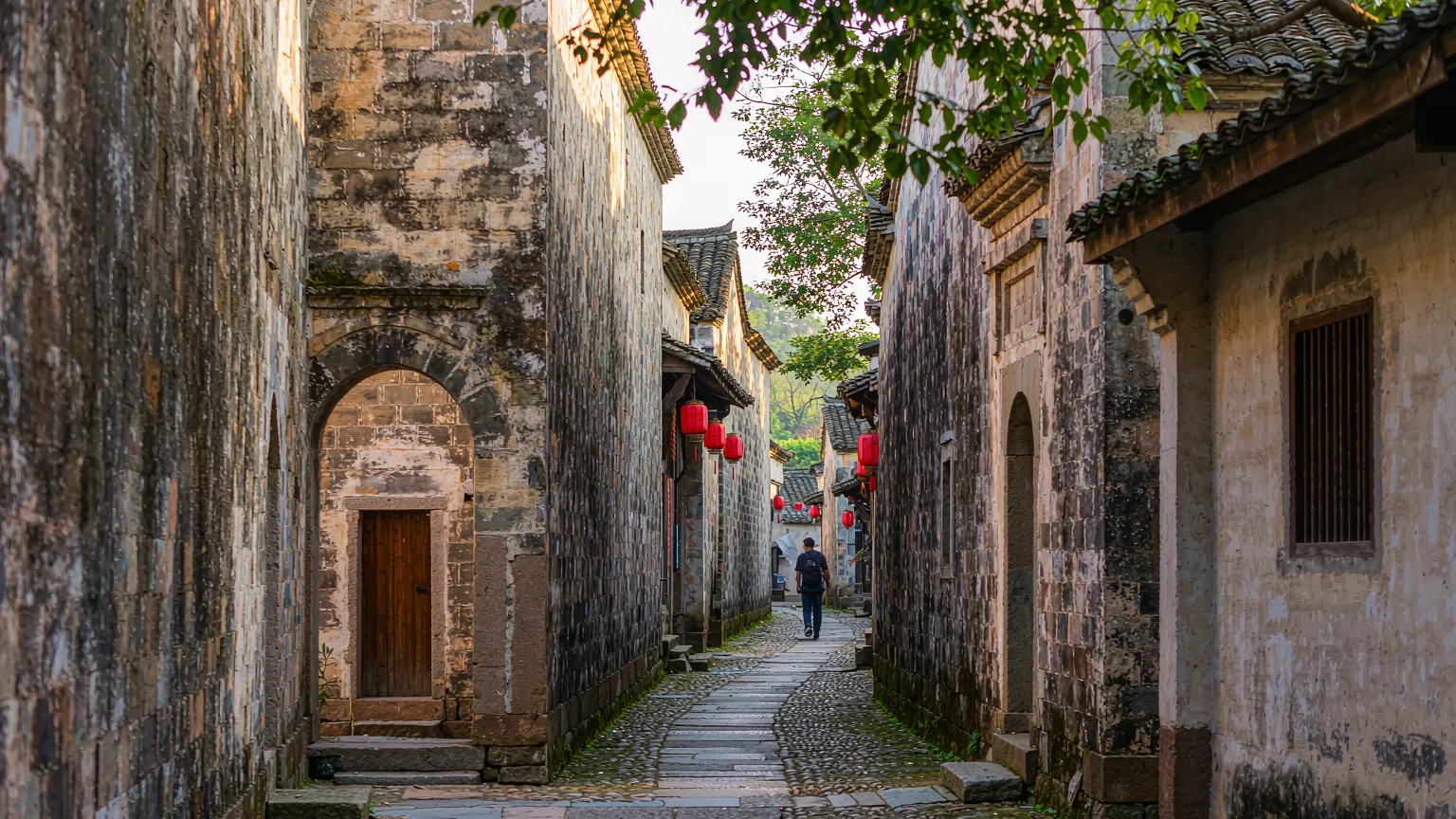
Built in 1394 under the Ming Hongwu Emperor, Dapeng Fortress (Dapeng Suocheng) was one of China's key coastal garrisons, established to repel pirates and later Japanese wokou raiders. Its strategic location on the Dapeng Peninsula guarded the sea approaches to the Pearl River Delta. The fortress was the scene of fierce resistance during the Opium War, notably when Qing troops under General Lai Enjue defeated British forces in 1839. Today it is a national heritage site and a 4A-rated attraction, often called the 'root of Shenzhen' for its role in the city's early history.
The walled town covers about 110,000 square metres and retains its original layout, with a grid of stone-paved streets, traditional Lingnan-style houses, and 11 well-preserved ancestral halls. Unlike many restored tourist towns, Dapeng remains a living community: descendants of the original garrison soldiers still reside here, tending small shops and shrines. Visitors can explore the East and South Gates, the General's Residence, and the Dapeng Museum, which displays artefacts from the Ming and Qing dynasties. The site offers a rare, authentic glimpse into China's maritime military past, just an hour from Shenzhen's modern skyline.
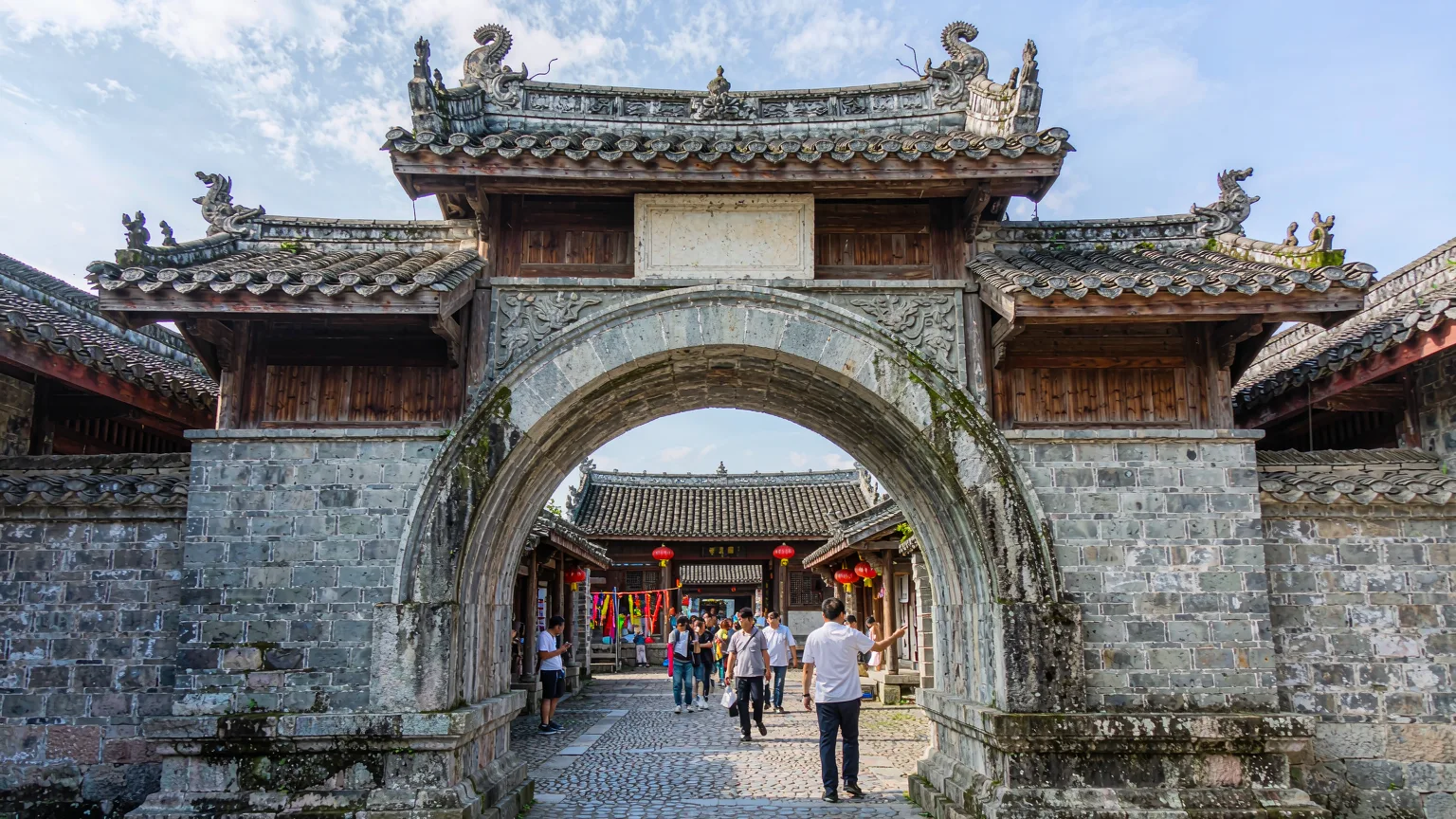
From downtown Shenzhen, take a taxi or DiDi (about 1.5 hours, ¥150–200) or bus E11 from Shenzhen North Station to Dapeng Centre, then a short taxi. A private car with our guide is the most comfortable option, allowing you to combine the fortress with nearby Jiaochangwei Beach or Dapeng Peninsula. It's best as a half-day trip, leaving the afternoon for coastal scenery.
Entry is free, but some individual halls or the museum may charge ¥10–20. Opening hours are 8:30–17:30 daily. No advance booking is required for foreign visitors, but bring your passport for any ticketed sites. WeChat Pay and Alipay are widely accepted, though small vendors may prefer cash; foreign cards can be linked to these apps for seamless payment.
The best time to visit is from October to April, when the weather is cool and dry. Weekday mornings are ideal to avoid crowds and enjoy soft light for photography. Avoid Chinese public holidays, especially the first week of October, when the site becomes very busy.
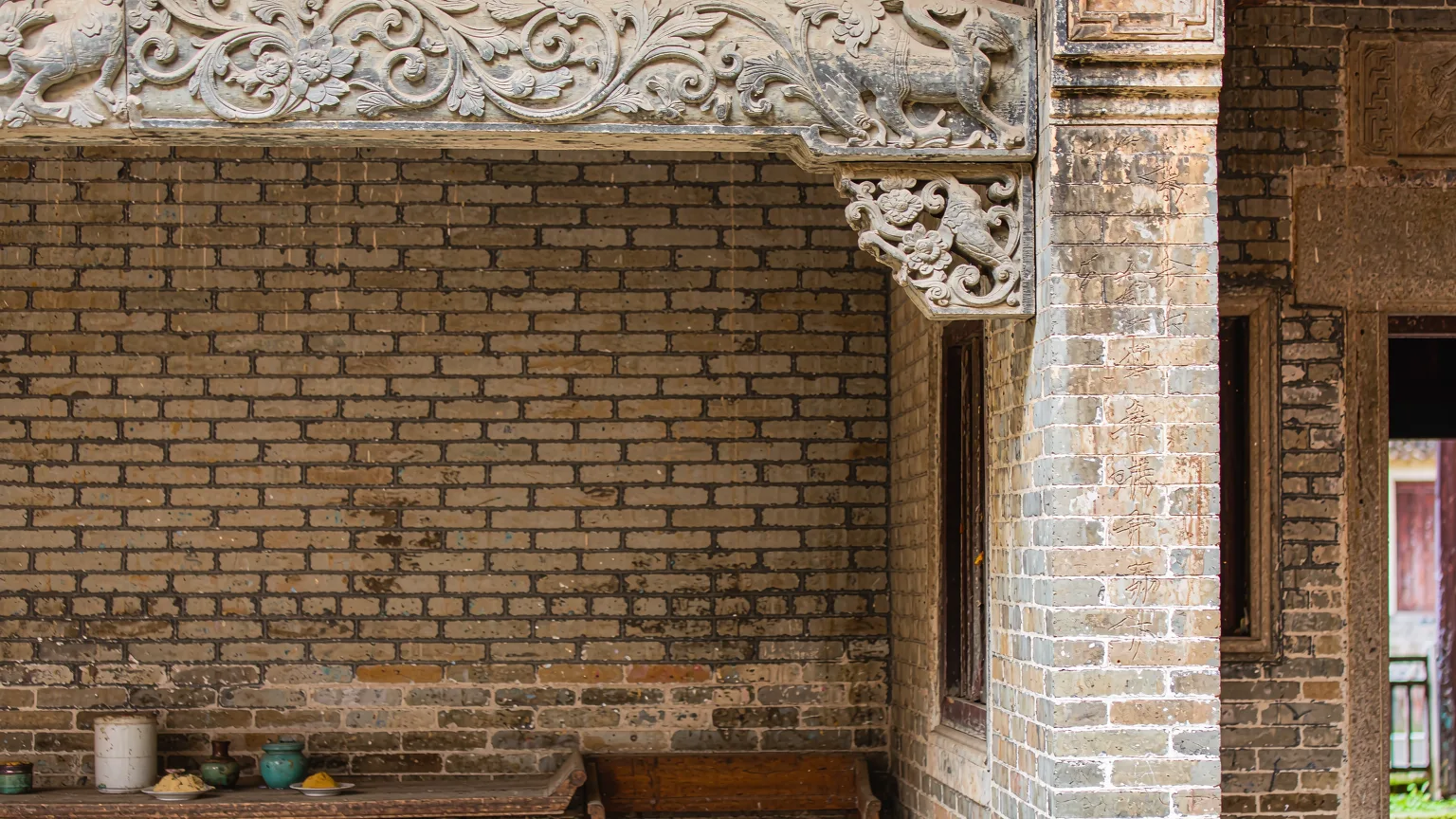
Yes, it offers a unique contrast to Shenzhen's modern skyline and a deep dive into Ming-Qing history. It's ideal for history buffs and those seeking authentic culture.
A leisurely visit takes 2–3 hours, including the museum and ancestral halls. With our guide, you'll cover the highlights in about 2 hours.
Signage is limited in English, so a private guide greatly enhances understanding. Our guides provide full historical context and translation.
Most vendors accept WeChat Pay and Alipay linked to foreign cards, but cash is safer for small purchases. There are no ATMs inside the fortress.
Tell us your dates, group size and preferences — a dedicated consultant will reach out within 24 hours.