
Guest — sign in to save your enquiries.
My account
Dali Ancient City is the storied capital of the Nanzhao and Dali kingdoms, where a grid of stone-paved lanes sits between the Cangshan Mountains and Erhai Lake. Its whitewashed Bai architecture, bustling markets, and relaxed cafés make it a highlight of Yunnan. With our private guide, you'll navigate the old town effortlessly, discovering hidden courtyards and the best local eateries.
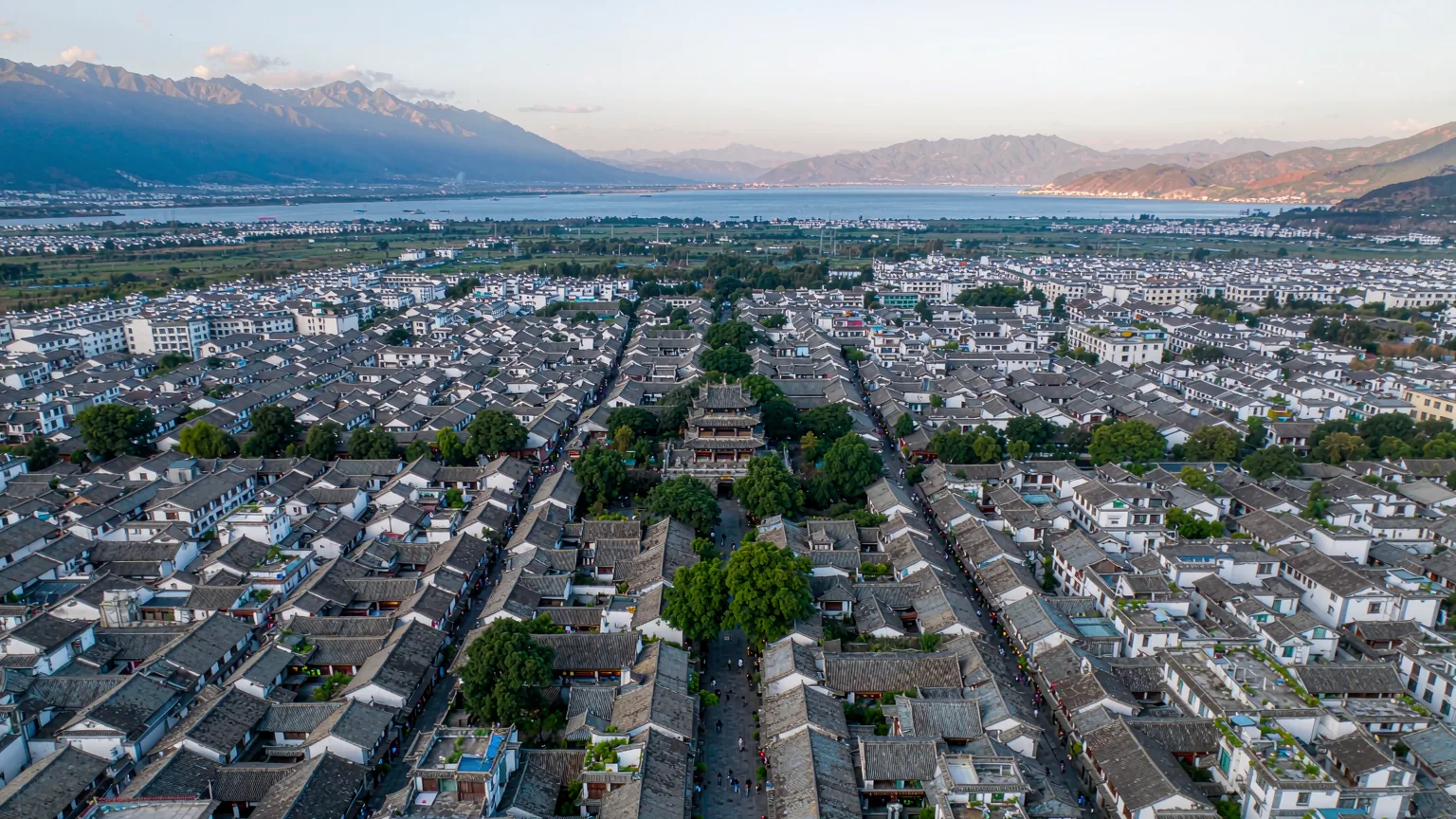
Dali Ancient City served as the capital of the Nanzhao Kingdom (8th–9th centuries) and later the Dali Kingdom (10th–13th centuries), a powerful Buddhist realm that controlled trade routes between China, Tibet, and Southeast Asia. The city's layout follows a strict grid, with the main thoroughfares of Fuxing Road and Renmin Road intersecting at the iconic Wuhua Tower. Although much of the original architecture was destroyed over centuries, the Ming-era walls and gates were rebuilt in the 1980s, preserving the historic character. The Bai ethnic minority, who have lived here for generations, continue to shape the city's cultural identity through their traditions, festivals, and distinctive architecture.
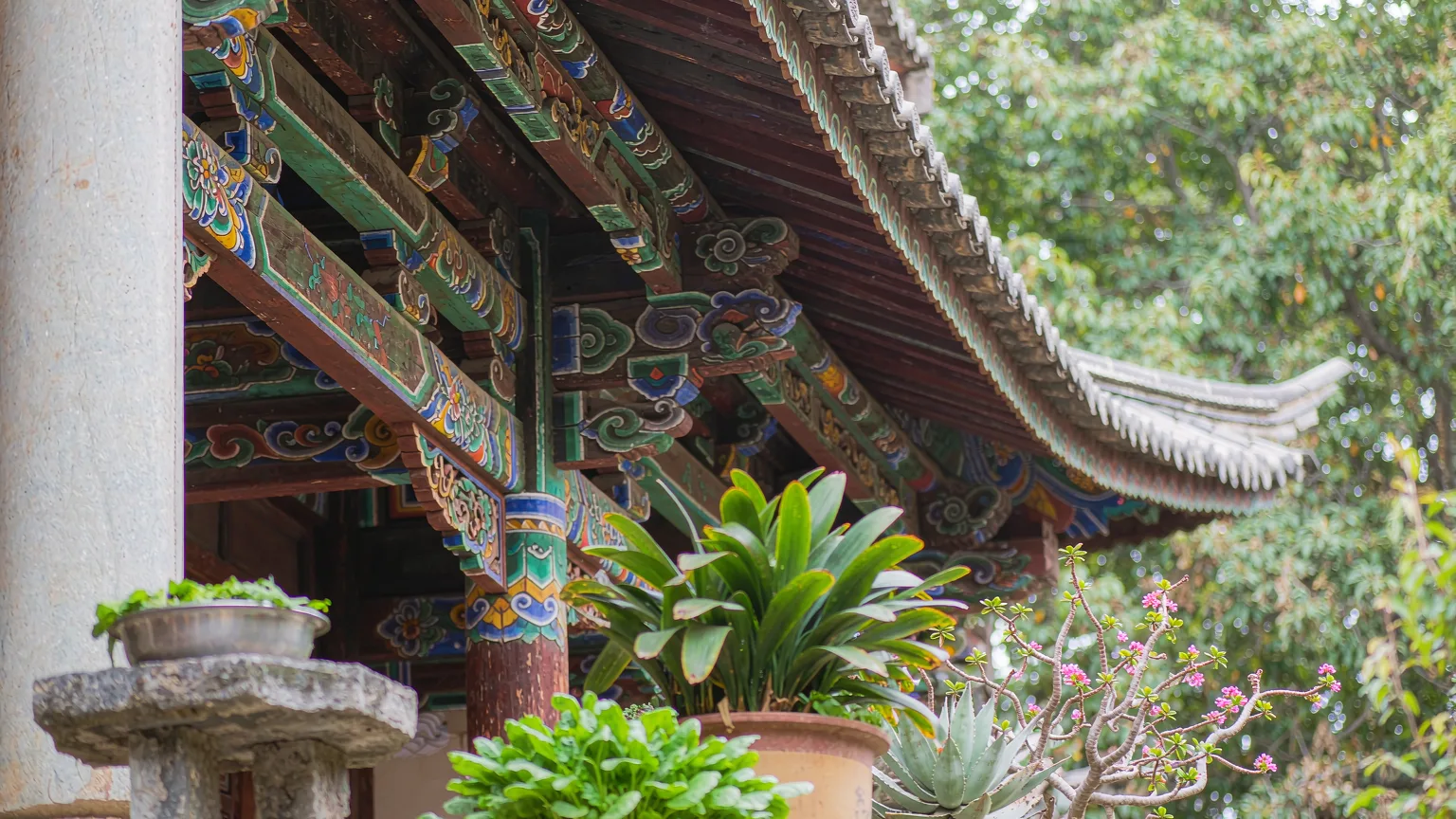
Today, Dali Ancient City is a living museum where ancient traditions meet modern tourism. The streets are lined with shops selling marble crafts, tie-dyed fabrics, and silver jewelry, alongside cozy cafés and guesthouses. The city is compact and walkable, with the imposing Cangshan Mountains to the west and the shimmering Erhai Lake to the east providing a stunning backdrop. Visitors can explore the Confucian Temple, the Dali Museum, and the bustling Foreigner Street, or simply wander the quiet alleys to admire the traditional Bai courtyards with their ornate gates and flowering plants. The city's elevation of 1,900 meters ensures a mild climate year-round, making it a perfect base for exploring the region.
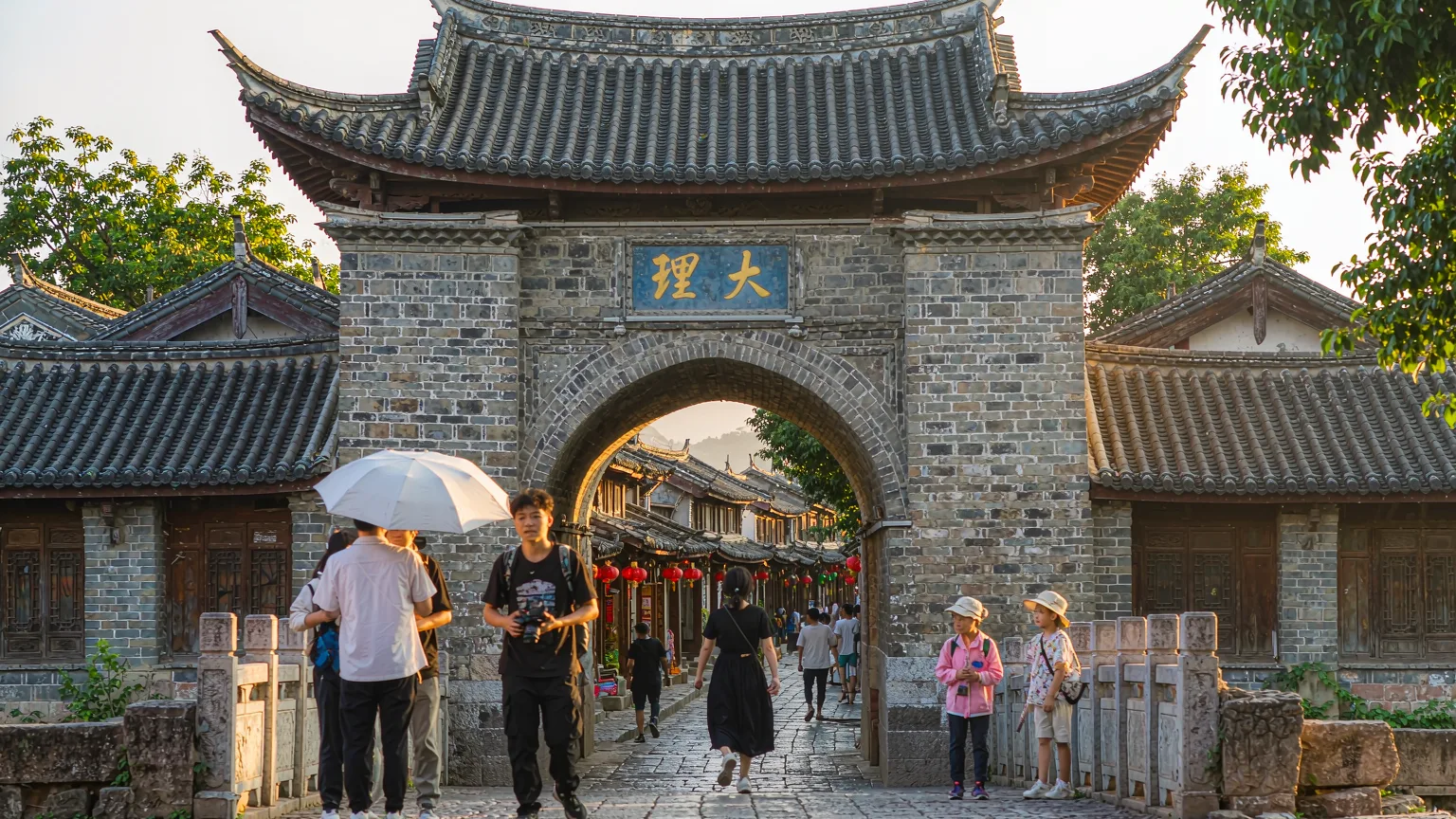
Dali Ancient City is about 13 km from Dali Railway Station and 30 km from Dali Airport. From the station, take a taxi (¥40–50, 30 minutes) or the direct bus (¥2). Many travellers arrive by high-speed rail from Kunming (2 hours) or Lijiang (1.5 hours). Our private guide can arrange a seamless transfer and help you explore the city on foot, as most attractions are within the old town walls.
Entry to Dali Ancient City is free; individual attractions like the Confucian Temple and Wuhua Tower charge ¥20–50. The city is open 24/7, but shops and sites typically operate from 8:00 to 18:00. No advance booking is needed for the city itself, but for guided tours, book at least a day ahead. Major credit cards are accepted at some hotels, but for local shops and tickets, use WeChat Pay or Alipay linked to a foreign card, or carry cash.
The best time to visit is during spring (March–May) or autumn (September–November), when the weather is mild and skies are clear. Avoid the rainy season (June–August) and Chinese public holidays. Early morning (before 9 AM) offers peaceful streets and soft light for photography, while late afternoon brings vibrant street life and sunset views from the city walls.
Absolutely. It offers a unique blend of history, culture, and natural beauty, with well-preserved Bai architecture and a relaxed atmosphere. It's a highlight of any Yunnan itinerary.
A full day allows you to see the main sights, but staying overnight lets you enjoy the evening ambiance and day trips to Erhai Lake or Cangshan Mountains.
Major hotels and some upscale restaurants accept international cards, but most small shops and ticket offices prefer WeChat Pay or Alipay. Link your foreign card to these apps or carry cash.
The old town is compact and walkable. For surrounding attractions, taxis, Didi, or rented bicycles are convenient. Our guides can arrange private transport for seamless exploration.
Tell us your dates, group size and preferences — a dedicated consultant will reach out within 24 hours.