
Guest — sign in to save your enquiries.
My account
Dai Temple is the grandest ancient architectural complex on Mount Tai, where Chinese emperors once worshipped the Mountain God. Its halls, steles, and ancient cypresses offer a quieter, deeper look at imperial ritual than the mountain summit. With our private guide, you'll decode the symbolism and history that most visitors miss.
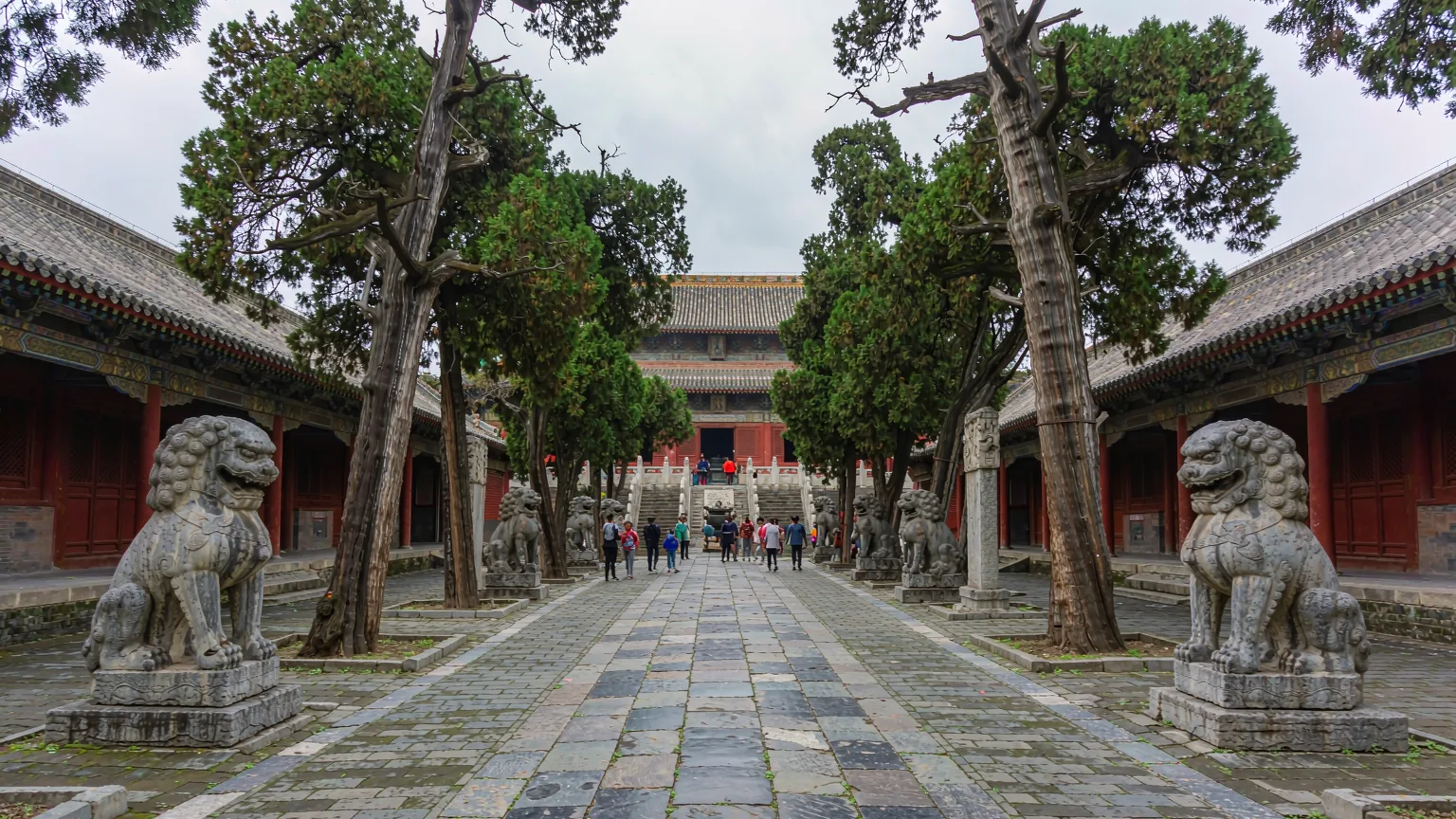
Dai Temple (Daimiao) is the largest and best-preserved ancient architectural complex on Mount Tai, covering about 96,000 square meters. Founded during the Qin Dynasty (221–206 BCE) and expanded over subsequent dynasties, it served as the primary site for emperors to offer sacrifices to the God of Mount Tai. The temple's layout mirrors an imperial palace, with a central axis leading from the main gate to the towering Tiankuang Hall, which houses a colossal statue of the Mountain God. Its grounds contain over 150 ancient steles and inscriptions, making it a treasure trove of Chinese calligraphy and history.
The temple is located at the southern foot of Mount Tai in Tai'an city, Shandong province. It is often visited as a prelude to climbing the mountain, as it sets the spiritual and historical context for the entire site. The complex includes several courtyards, ancient cypress trees dating back over a thousand years, and the Han Dynasty Cypress, which is said to have been planted by Emperor Wu of Han. Visitors can also see the Song Dynasty Tiankuang Hall, a masterpiece of wooden architecture. For those interested in Chinese religion, history, or architecture, Dai Temple is an essential stop.
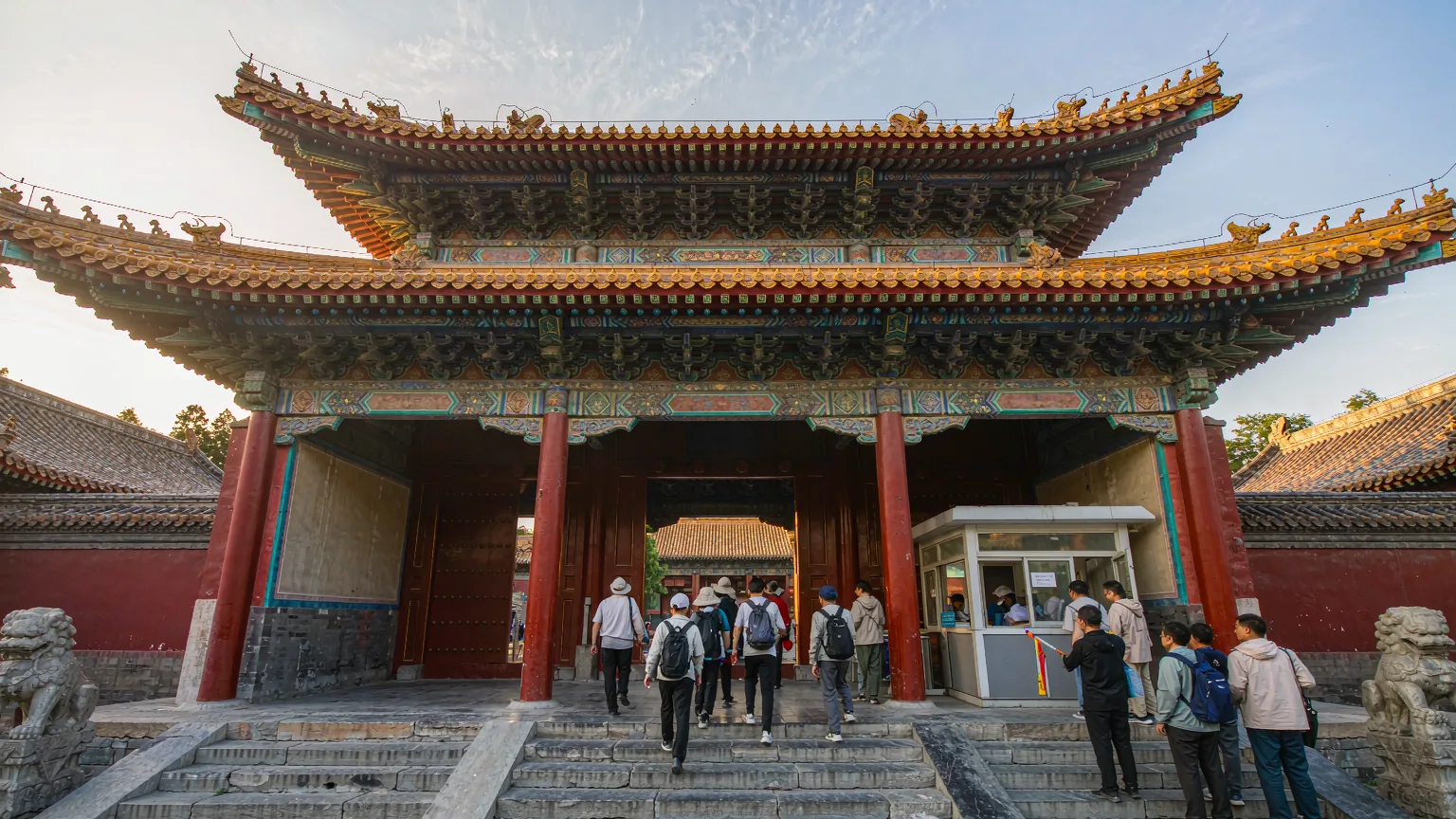
Dai Temple is in the center of Tai'an, about 10 minutes by taxi from Tai'an Railway Station (high-speed rail from Beijing or Shanghai). Many visitors combine it with a Mount Tai climb: start at the temple in the morning, then take a taxi to the Red Gate or Tianwai Village for the ascent. Our guide can arrange private transfers and timed entry to avoid crowds.
Admission: ¥30 (peak season), ¥20 (off-peak). Opening hours: 8:00–17:30 (peak), 8:00–17:00 (off-peak). Tickets can be booked on-site or via WeChat mini-programs; foreign cards are not always accepted, so bring cash or use Alipay/WeChat Pay linked to an international card.
Combo tickets with Mount Tai are available (¥115–¥125), valid for two days. Book in advance during holidays. Payment via mobile apps is preferred; some ticket windows accept cash but not foreign credit cards.
Visit in spring (April–May) or autumn (September–October) for mild weather and fewer crowds. Early morning (8:00–9:00) is ideal to enjoy the temple's tranquility before tour groups arrive. Avoid Chinese public holidays, when it becomes crowded. The temple's ancient cypresses and steles are particularly beautiful in autumn when the leaves turn gold.
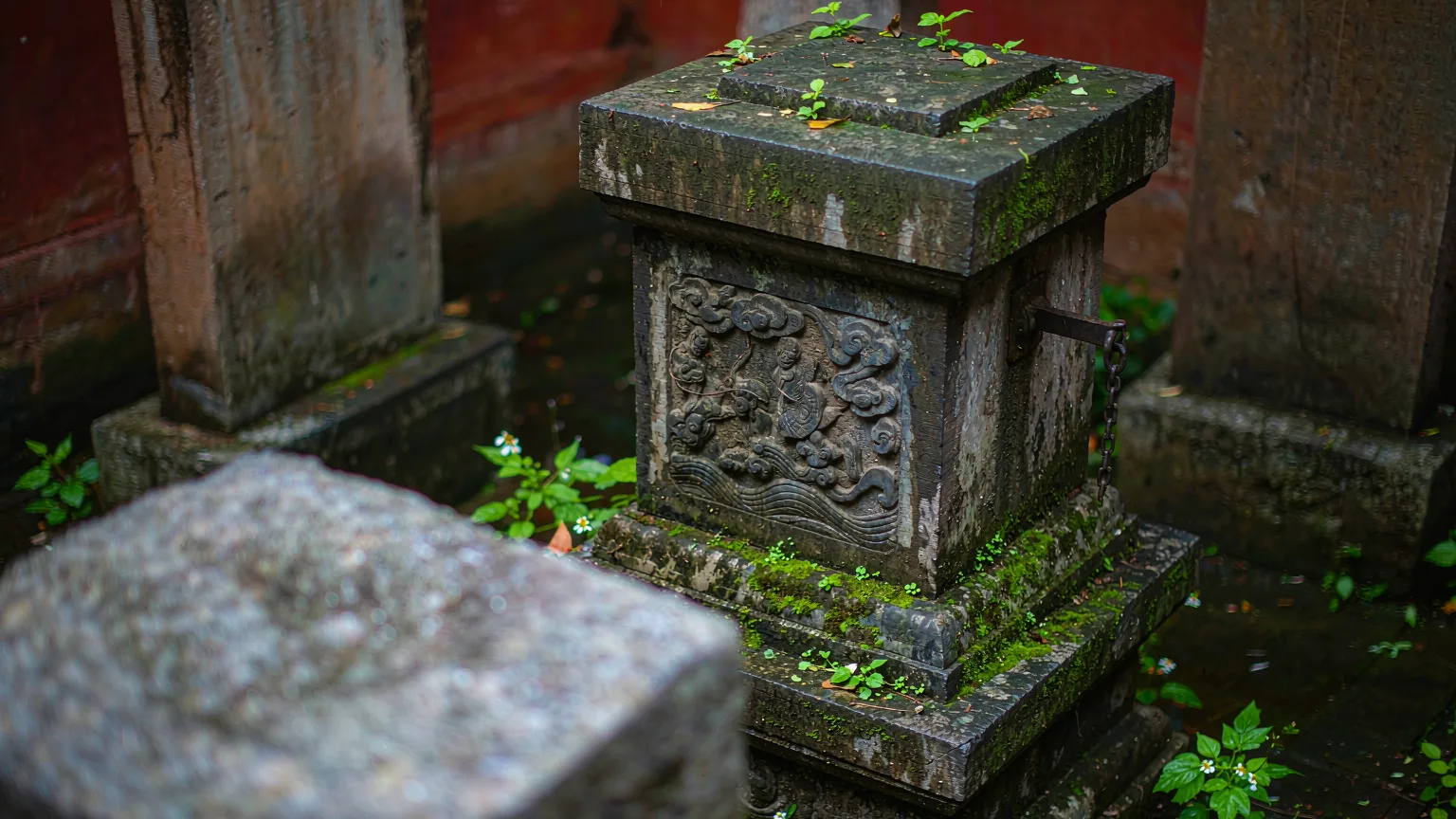
A thorough visit takes 1.5–2 hours. If you're short on time, focus on Tiankuang Hall, the steles, and the Han Cypress. Our guide can tailor the pace to your schedule.
No, Dai Temple requires a separate ticket (¥20–¥30). However, combo tickets covering both are available at the Mount Tai ticket office or online.
Yes, but it's rushed. We recommend visiting Dai Temple in the morning, then taking a cable car up Mount Tai in the afternoon. A private guide can optimize the timing.
Some signs have English, but they are limited. Our guides provide full interpretation, bringing the steles and rituals to life for international visitors.
Tell us your dates, group size and preferences — a dedicated consultant will reach out within 24 hours.