
Guest — sign in to save your enquiries.
My account
The China Three Gorges Museum in Chongqing tells the story of the Yangtze's most dramatic stretch — its people, archaeology and the monumental dam that reshaped the river. Housed in a striking modern building beside the People's Great Hall, it's the city's essential history museum. With our private guide, you skip the guesswork and go straight to the artefacts that matter.
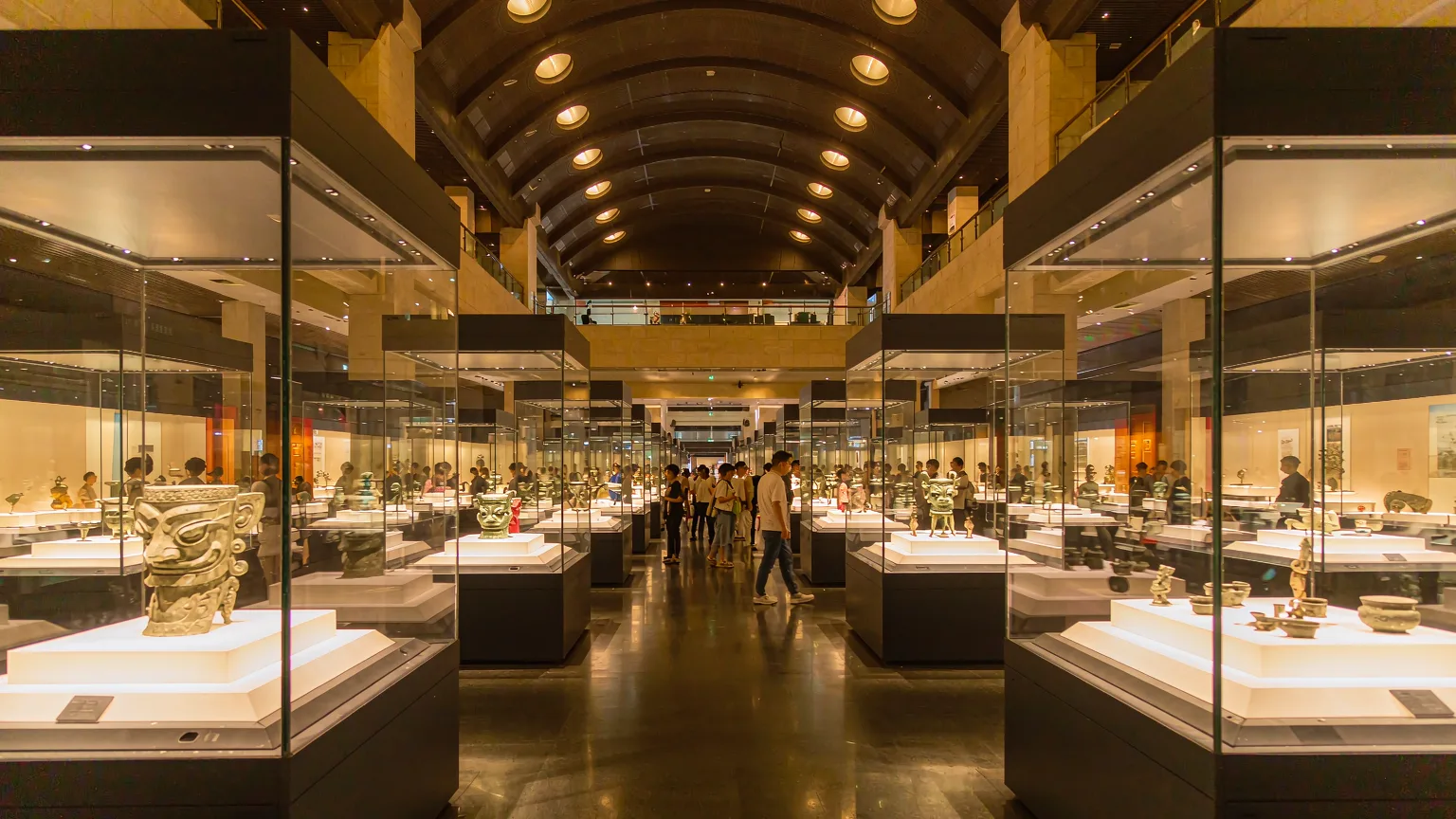
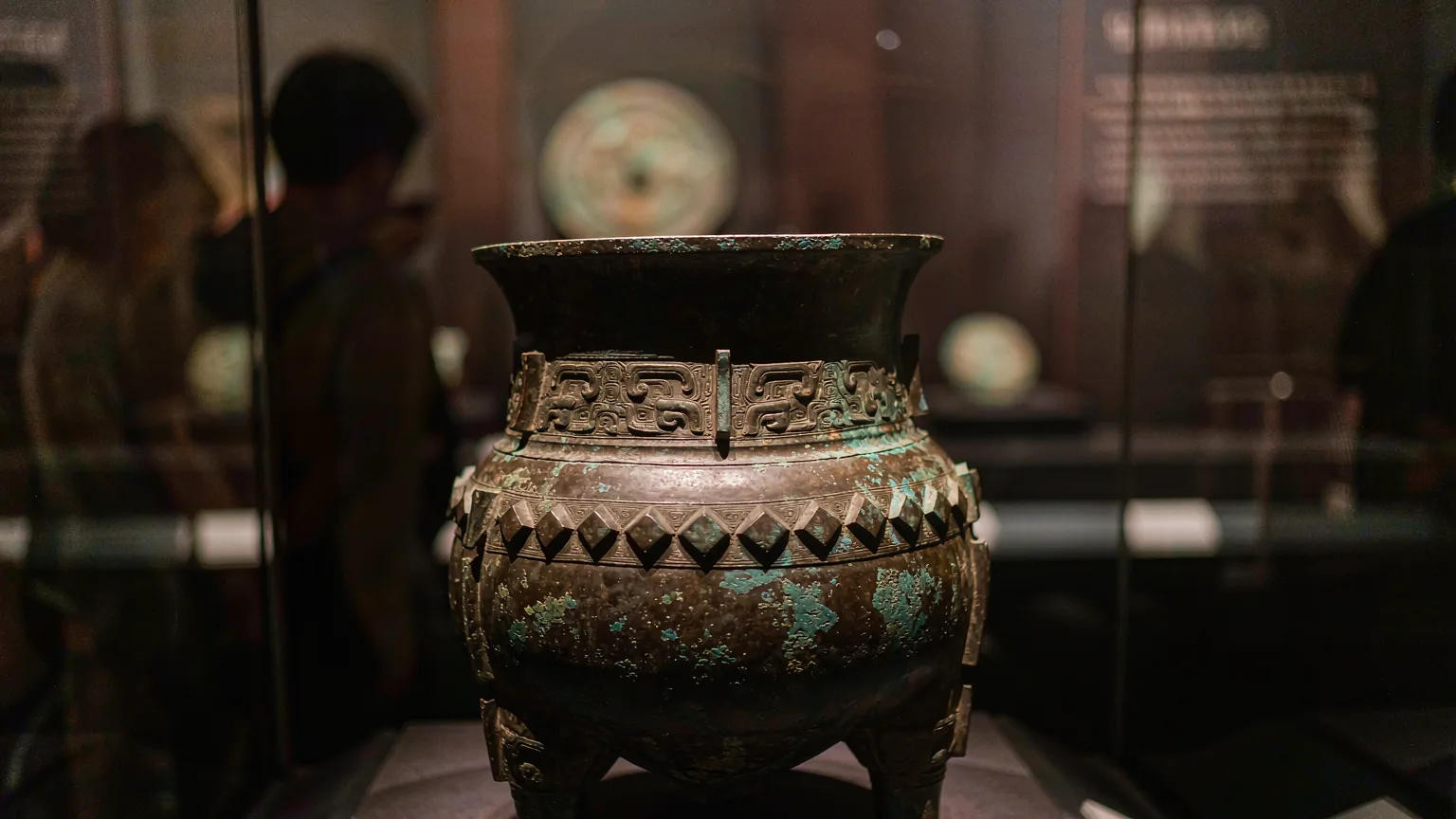
Opened in 2005 to document the Three Gorges before the reservoir filled, the museum safeguards a vast collection rescued from the Yangtze's flooded valleys. Its four main galleries cover the region's ancient Ba and Shu cultures, the Three Gorges' archaeology, the massive hydroelectric project, and Chongqing's modern history as a wartime capital. Highlights include Bronze Age weapons and ritual vessels, Han-dynasty tomb figures, and a moving panorama of the dam's construction. The building itself, with its sweeping glass facade, echoes the river's flow and stands as a landmark in its own right.
The museum sits on the western edge of Yuzhong district, directly facing the People's Great Hall and its twin auditoriums. This civic axis is one of Chongqing's most photogenic spots, especially at night when the hall is illuminated. Allow two to three hours for the permanent exhibits; temporary shows often feature loaned treasures. English signage is good but not exhaustive, so our guides bring the context alive — explaining why a bronze tiger tally or a Han brick matters, and how the Three Gorges relocation touched millions.
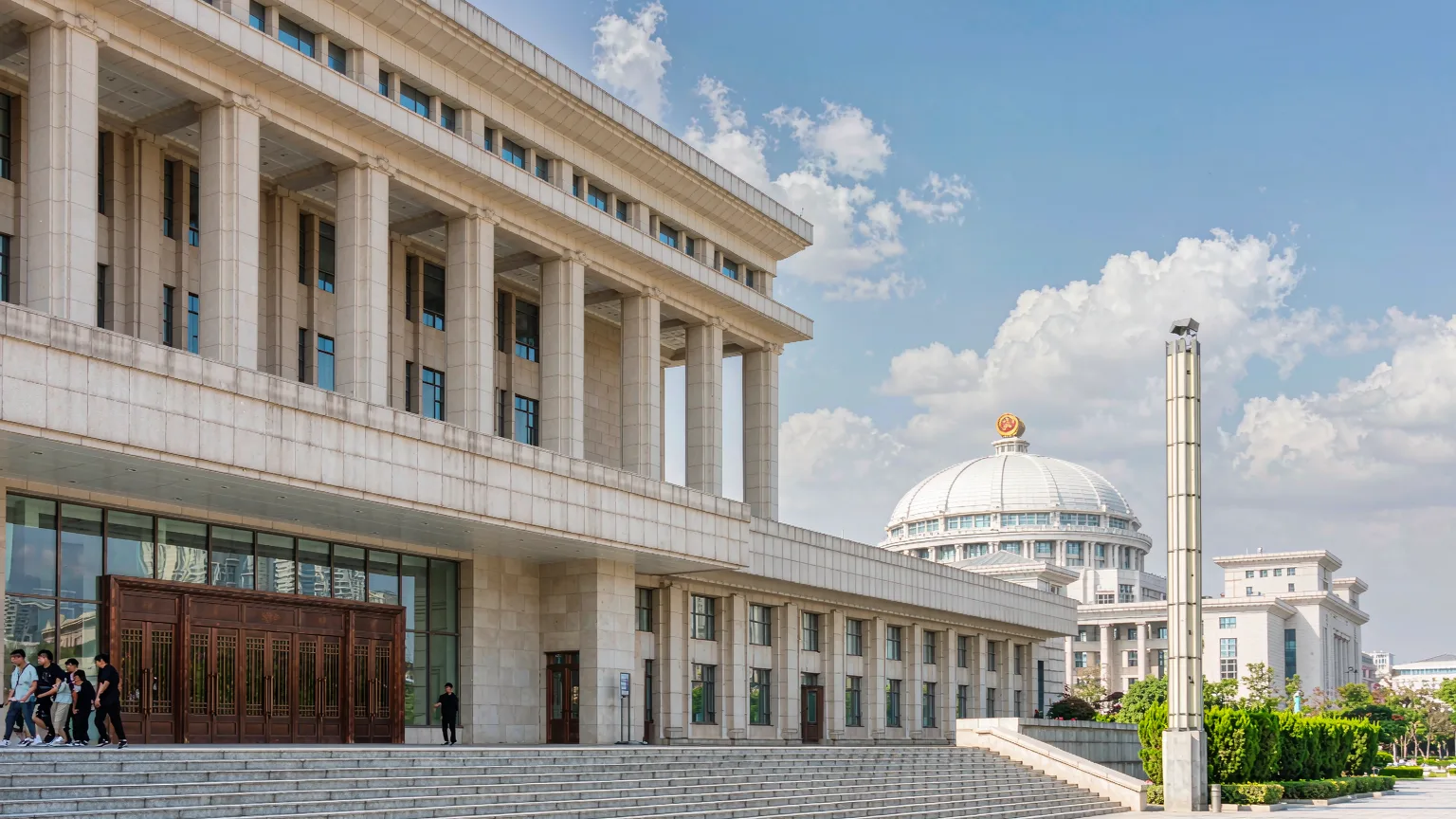
The museum is at 236 Renmin Road, Yuzhong district, next to the People's Great Hall. Take Metro Line 2 to Zengjiayan Station (Exit A) and walk about 10 minutes uphill, or Line 1 to Xiaoshizi and transfer. Taxis from Jiefangbei cost around ¥15–20. We often pair it with a morning visit to the Great Hall and then a walk to nearby Eling Park for city views. Our guide can arrange a car to avoid the steep walk.
Admission is free, but you must reserve a time slot in advance via the museum's WeChat account (Chinese only) or with our help. Opening hours are 9:00–17:00 (last entry 16:00), closed Mondays except public holidays. Bring your passport for security checks. Foreign cards are not accepted for any paid special exhibitions; use WeChat Pay or Alipay linked to an international card, or ask our guide to handle it.
Visit on a weekday morning, ideally right at 9:00 when doors open, to enjoy the galleries before tour groups arrive. Spring (March–May) and autumn (September–November) offer comfortable weather for the adjacent plaza. Avoid Monday closures and Chinese public holidays. Late afternoon is best for photographing the People's Great Hall as it lights up.
Yes, general admission is free, but you must reserve a timed slot online in advance. Special exhibitions may charge a small fee, payable via WeChat Pay or Alipay.
Not necessarily — key exhibits have English labels, but our guide can provide deeper context and translate the more detailed Chinese captions.
Plan for two to three hours to see the main galleries at a relaxed pace. Add an extra hour if you want to explore temporary exhibitions.
Yes, the museum has ramps, elevators and accessible restrooms. The walk from the metro involves a steep hill, so a taxi may be easier.
Tell us your dates, group size and preferences — a dedicated consultant will reach out within 24 hours.