
Guest — sign in to save your enquiries.
My account
Cangshan is the dramatic mountain ridge that towers over Dali's ancient town, a 19-peak wall of rock and cloud pierced by 18 streams. Riding the cable car to Ximatan Pool at 3,920 metres feels like stepping into a different climate, with alpine meadows and panoramic views of Erhai Lake. Our private guide handles the cable car tickets and timing so you can simply breathe in the thin, cool air.
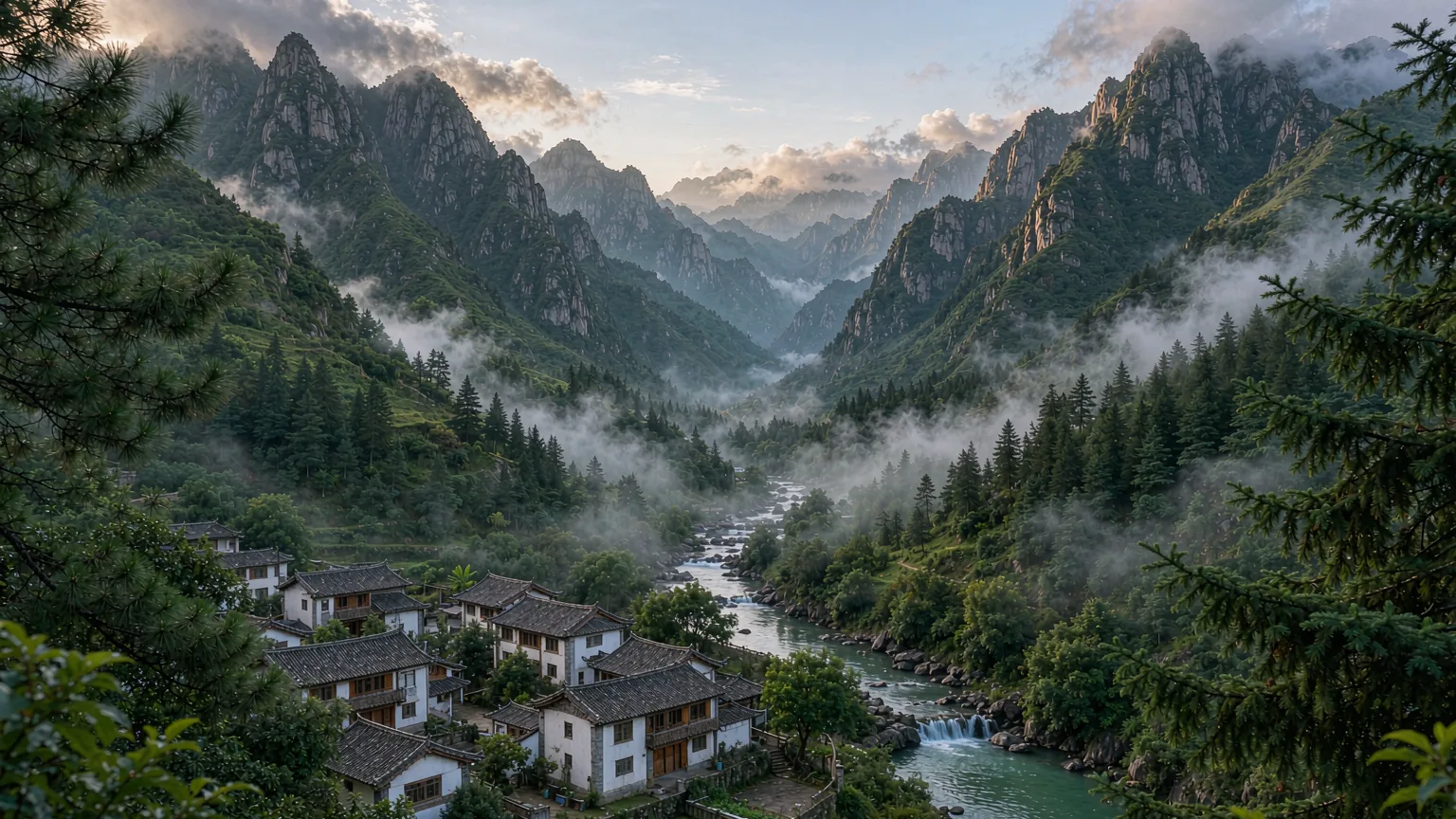
Cangshan (苍山) forms the western backdrop of Dali, a mountain range stretching roughly 50 kilometres north to south. Its 19 peaks average over 3,500 metres, with the highest, Malong Peak, reaching 4,122 metres. Between the peaks, 18 streams (the '18 brooks') cascade down to Erhai Lake, creating a lush, misty landscape that has inspired poets and painters for centuries. The range is part of the Cangshan Erhai National Nature Reserve, recognised for its rich biodiversity, including rare rhododendrons and the endemic Cangshan fir. Historically, Cangshan was a spiritual retreat; Buddhist temples and Taoist hermitages still dot its slopes, and the famous Three Pagodas of Chongsheng Temple stand at its eastern foot.
For visitors, Cangshan offers a cool escape from the heat of the valley, especially in summer. Three cable cars provide access: the Gantong Cable Car (to Qingbi Stream), the Zhonghe Cable Car (to Zhonghe Temple), and the longest, the Ximatan Cable Car, which whisks you from the base near Dali Ancient Town up to Ximatan Pool at 3,920 metres. The latter is the most popular for its high-altitude scenery and the Cloud Traveler's Path, a 11.5-kilometre stone walkway that contours the mountainside at around 2,600 metres. The path connects several temples and viewpoints, offering easy hiking with breathtaking vistas. Note that the high altitude can cause shortness of breath, so take it slow and dress in layers.
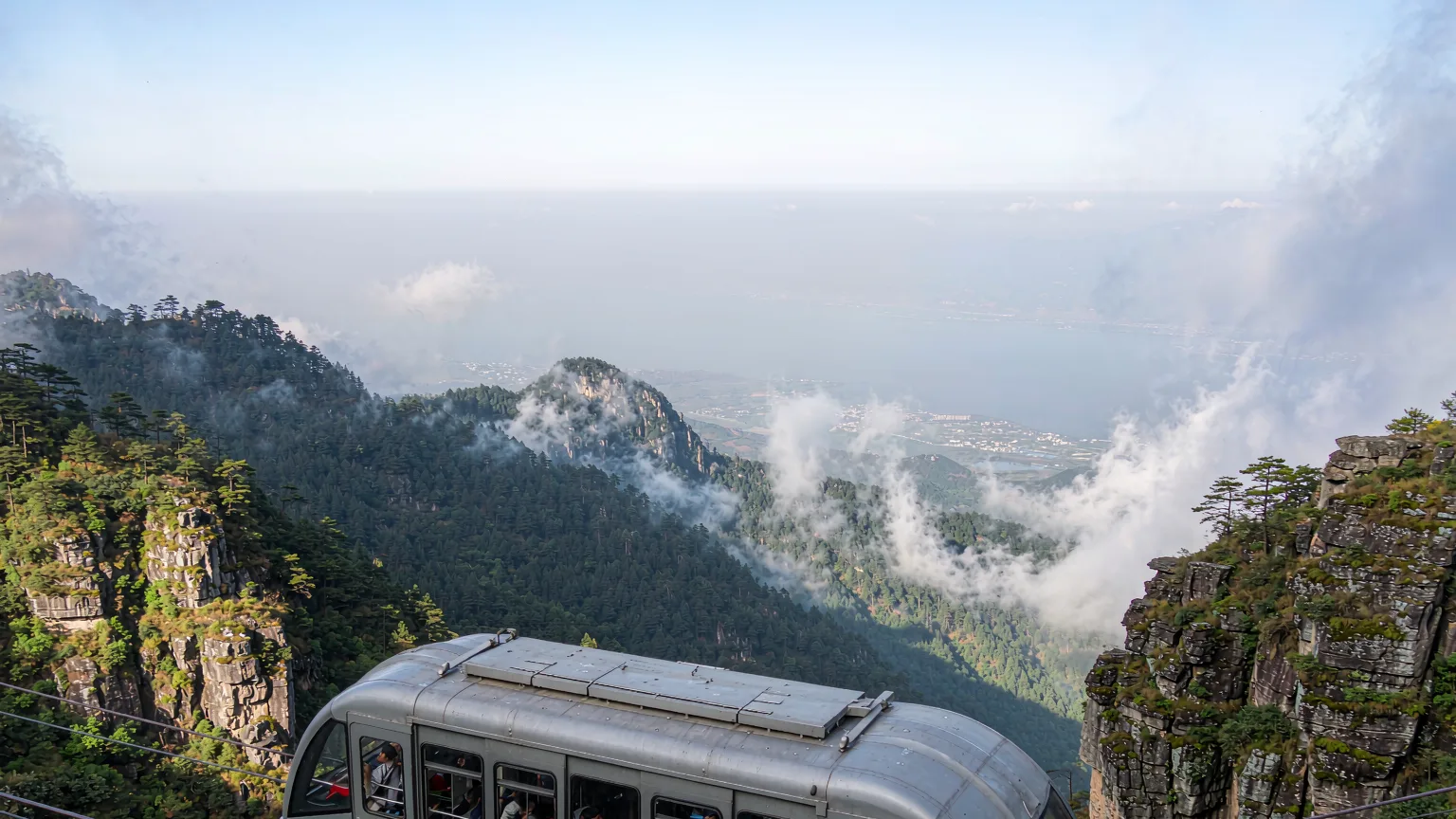
Cangshan is a 10–15 minute taxi ride from Dali Ancient Town to any of the cable car bases. The Ximatan Cable Car base is closest to the ancient town, while the Gantong and Zhonghe bases are further south. Taxis are readily available, but agree on the fare or use Didi. Alternatively, join a guided tour that includes hotel pickup. We recommend allocating a half-day for the cable car and a short hike; combine it with a visit to the Three Pagodas or Erhai Lake in the afternoon.
Cable car tickets range from ¥130 to ¥280 round-trip depending on the route (Ximatan is the most expensive). Entry to the Cangshan Scenic Area is included in the cable car ticket. Opening hours are typically 8:30–17:00, with last ascent around 15:30. Book via WeChat mini-programs or Trip.com; foreign cards are accepted on Trip.com, but for on-site purchases, WeChat Pay or Alipay linked to an international card is more reliable than cash.
The best time to visit is from March to May or September to November, when skies are clear and temperatures mild. Summer (June–August) brings rain and mist, but also lush greenery; winter can be cold and icy at the summit. For the clearest views, go in the morning before clouds gather; the cable car opens at 8:30, so aim to be there early to avoid queues and catch the mountain before it hides in the afternoon haze.

Yes, especially during peak seasons. Book online via Trip.com or WeChat to secure a time slot and avoid sold-out situations. On-site queues can exceed an hour.
The cable cars are safe for all ages, but the high altitude may affect young children and the elderly. The Cloud Traveler's Path is relatively flat and manageable, but avoid strenuous hikes at the summit.
Dress in layers, with a windproof jacket, comfortable shoes, sunscreen, and a hat. Bring water and snacks, as food options are limited and pricey at the top.
Yes, but a guide can help with language barriers, ticket booking, and interpreting the cultural significance. We offer private tours that include hotel pickup and a knowledgeable guide.
Tell us your dates, group size and preferences — a dedicated consultant will reach out within 24 hours.