
Guest — sign in to save your enquiries.
My account
Baiyun Mountain, or White Cloud Mountain, is Guangzhou's green lung and a beloved 5A scenic area rising just north of the city. Its peaks, forests, and pavilions offer sweeping skyline views and a cool escape from the subtropical heat. With our private guide, you'll skip the confusion of multiple entrances and cable-car queues, and discover the mountain's best trails, viewpoints, and hidden temples at your own pace.
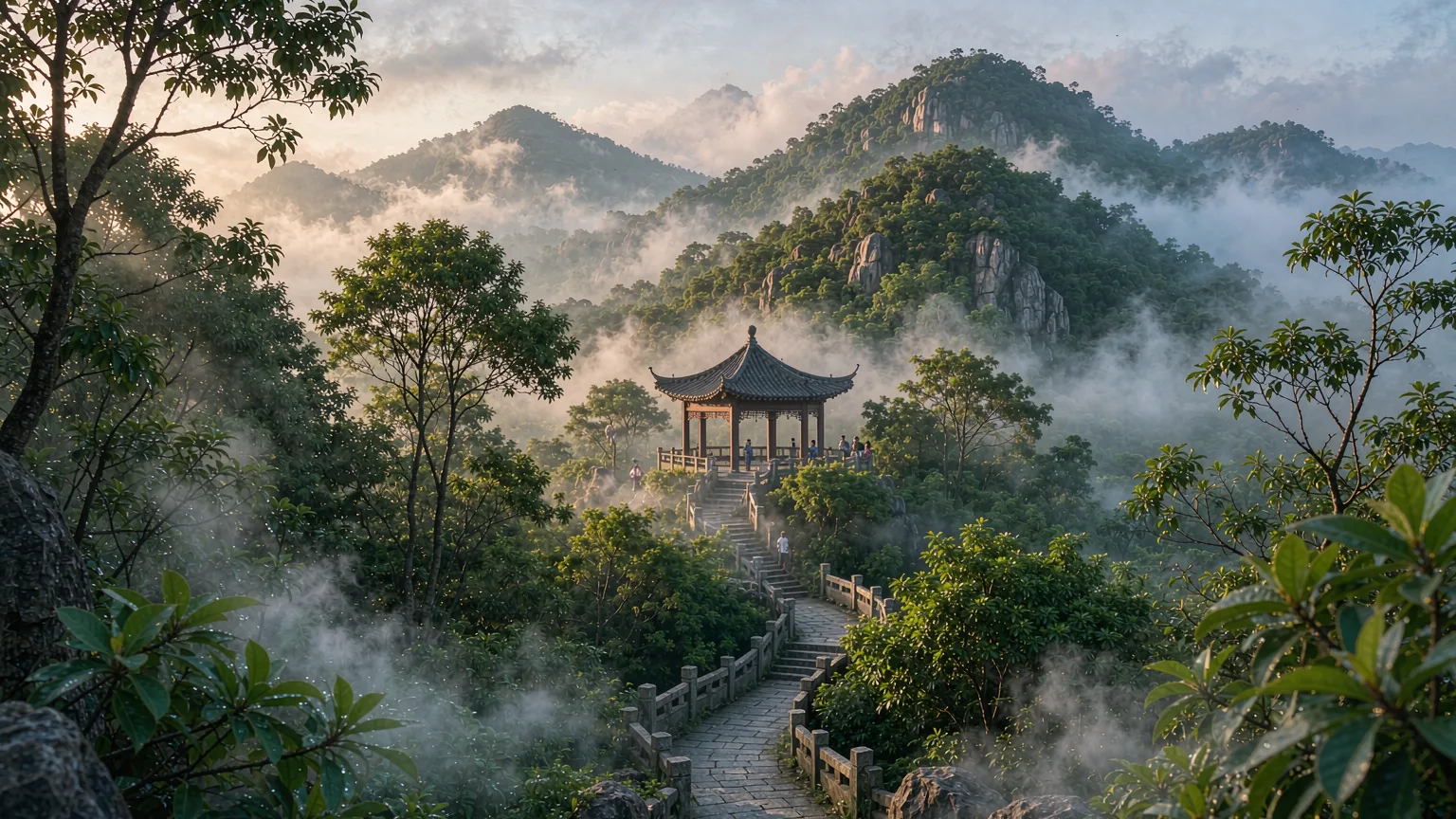
Baiyun Mountain has been a scenic retreat for over a thousand years, mentioned in Tang and Song dynasty poems and favoured by literati for its misty peaks and serene valleys. The name 'White Cloud' comes from the clouds that often shroud the summit after rain. At 382 metres, Moxing Ridge is the highest point in Guangzhou city, offering a panoramic view of the Pearl River and the modern skyline. The mountain is also home to several historical sites, including the Ming-dynasty Zhenhai Tower (now Guangzhou Museum) at its southern foot, and the tranquil Nengren Temple hidden in the woods.
The scenic area is vast, with multiple entrances and a network of roads, footpaths, and cable cars. Most visitors enter via the South Gate (near Yuntai Garden) or the West Gate (near Guangzhou Zoo). The mountain is a popular spot for morning exercise, tai chi, and family outings, especially on weekends. For foreign travellers, the signage is generally bilingual, but the sheer size can be overwhelming. Our guides know the quietest trails and the best times to avoid crowds, ensuring a relaxed and enriching visit.
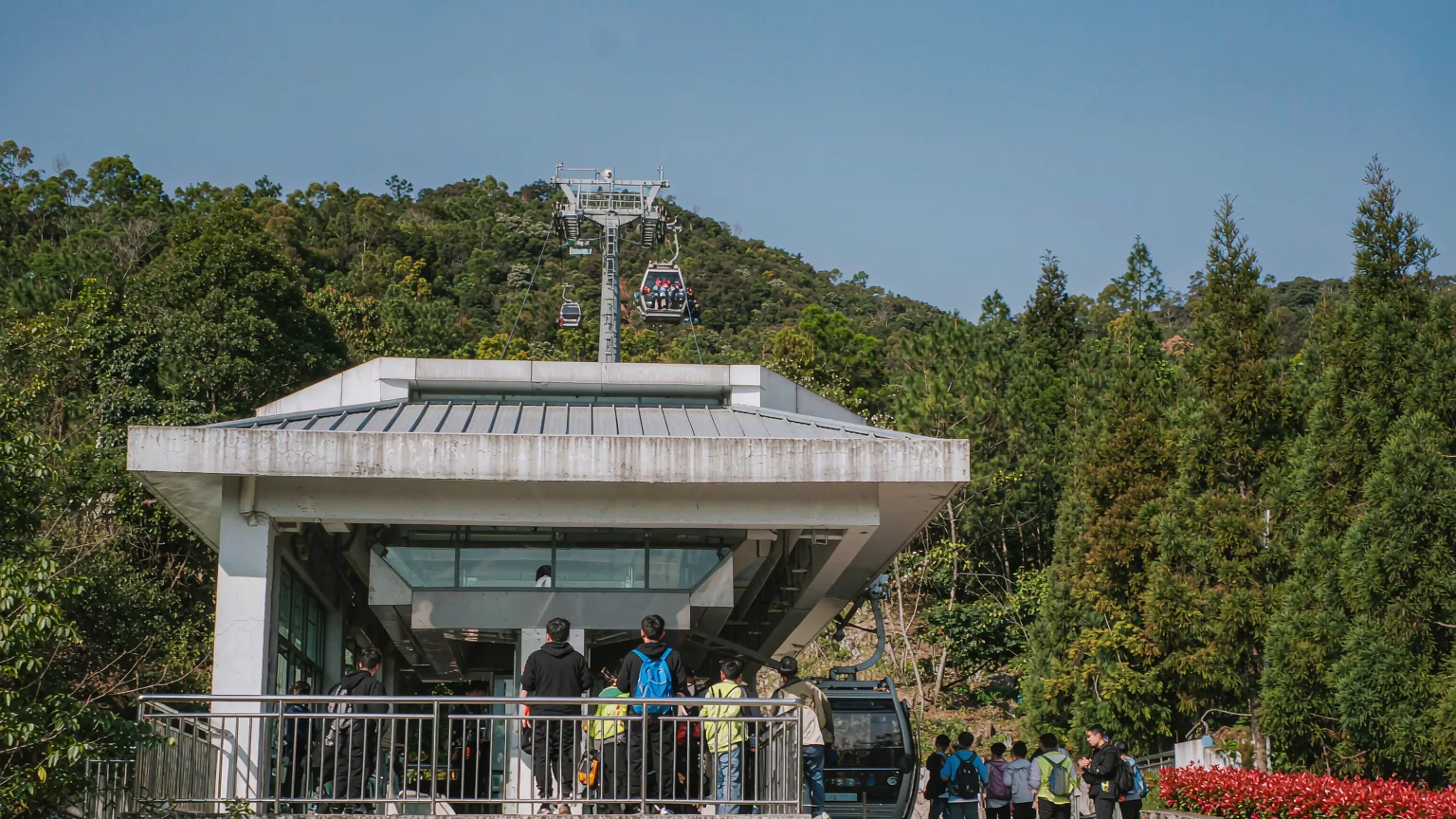
Baiyun Mountain is easily reached by metro: take Line 2 to Baiyun Park Station (Exit B) for the West Gate, or Line 3 to Meihuayuan Station for the South Gate. Taxis and ride-hailing apps are also convenient and affordable. We usually combine a morning on the mountain with an afternoon visit to the nearby Guangzhou Museum or Yuntai Garden, making a full day of nature and culture. Our guide can arrange private transfers to avoid the hassle of finding the right entrance.
Admission to the scenic area is ¥5 (peak season) or ¥4 (off-peak), with additional fees for the cable car (¥25 one-way, ¥40 round-trip) and the tram (¥20). Opening hours are roughly 6:00–21:00, but some attractions within close earlier. We recommend booking through WeChat mini-programs or paying at the gate; foreign credit cards are not accepted, so bring cash or use WeChat Pay/Alipay linked to an international card.
The best time to visit is during the cooler, drier months from October to December, when the air is clear and the views are spectacular. Spring (March to April) brings lush greenery and blooming flowers, but also more rain and humidity. Avoid weekends and Chinese public holidays if you prefer tranquillity. Early morning (before 9am) is ideal for cool temperatures, fewer crowds, and a chance to see locals practising tai chi.
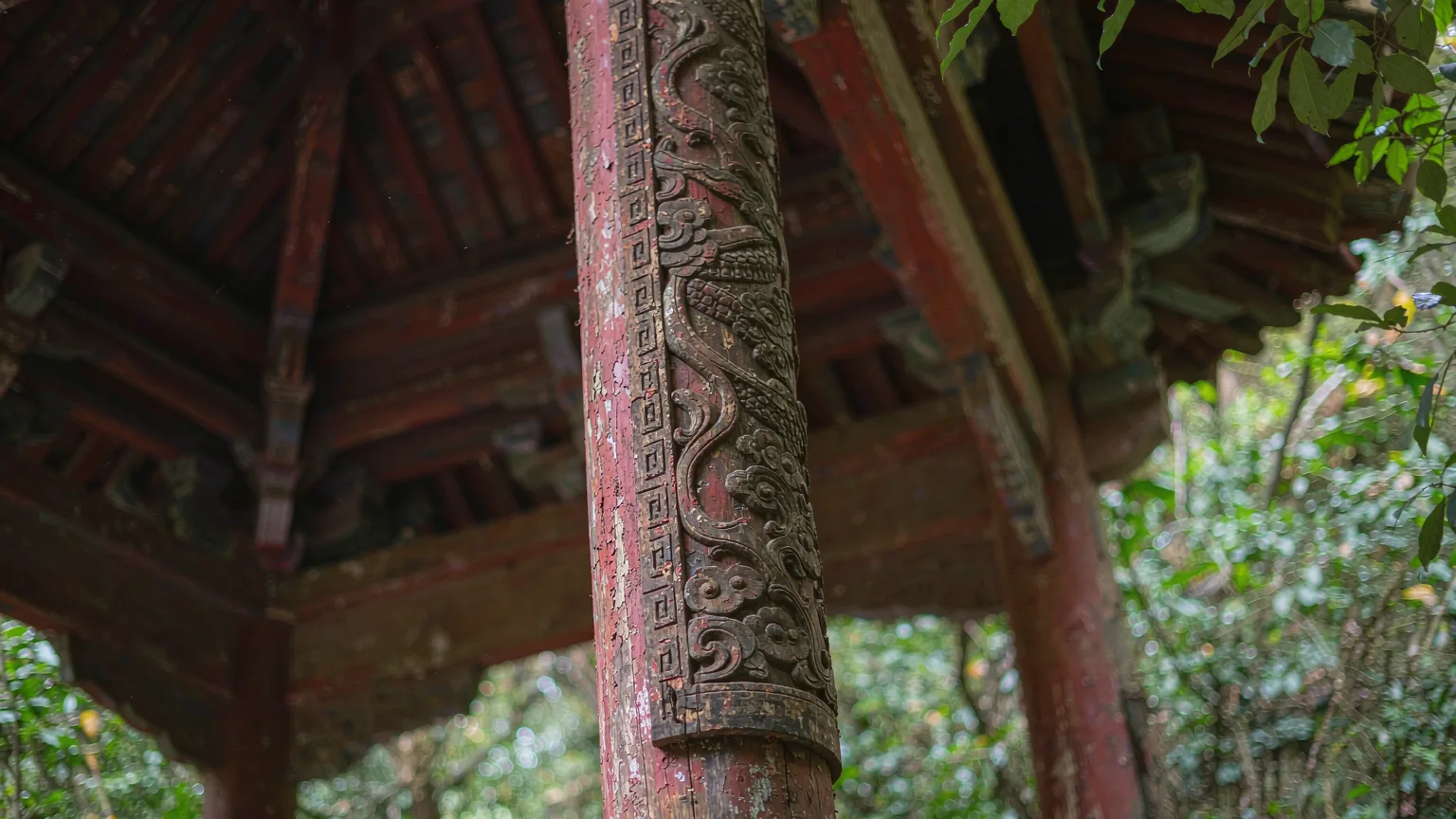
A leisurely visit to the main highlights takes about 3 to 4 hours, including cable car rides and stops at viewpoints. Serious hikers can spend a full day on the trails.
Yes, the cable car and tram make it accessible for all ages. There are also paved roads and gentle paths, though some areas have steps. Our guides can tailor the route to your mobility.
Absolutely, but the multiple entrances and scattered attractions can be confusing. A guide helps you navigate efficiently, shares historical context, and ensures you don't miss the best spots.
Comfortable shoes, water, sun protection, and mosquito repellent in summer. Cash or mobile payment for tickets and snacks. A camera for the panoramic views from Moxing Ridge.
Tell us your dates, group size and preferences — a dedicated consultant will reach out within 24 hours.